SAV Products – VARUN®

Hindu Festival

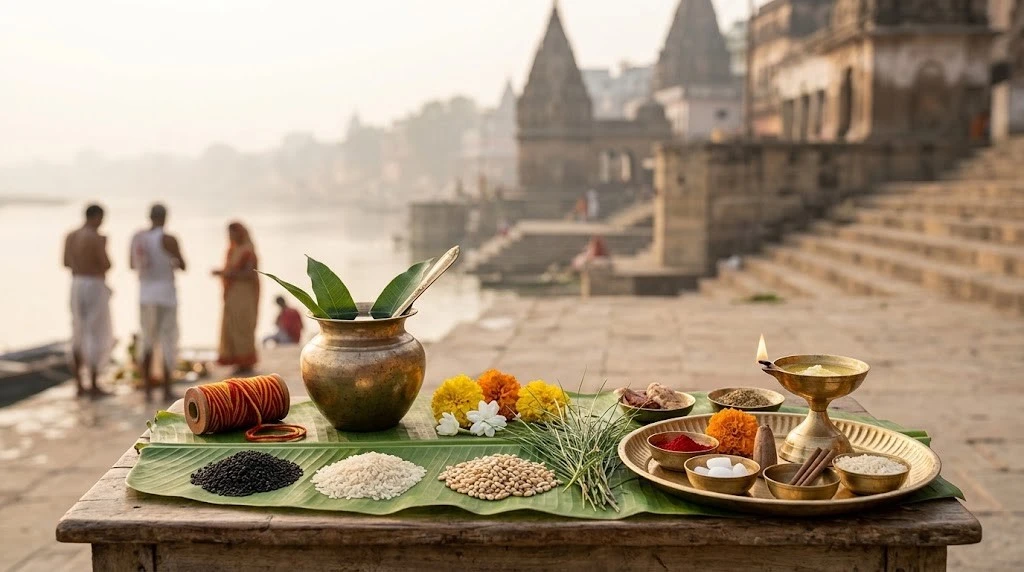
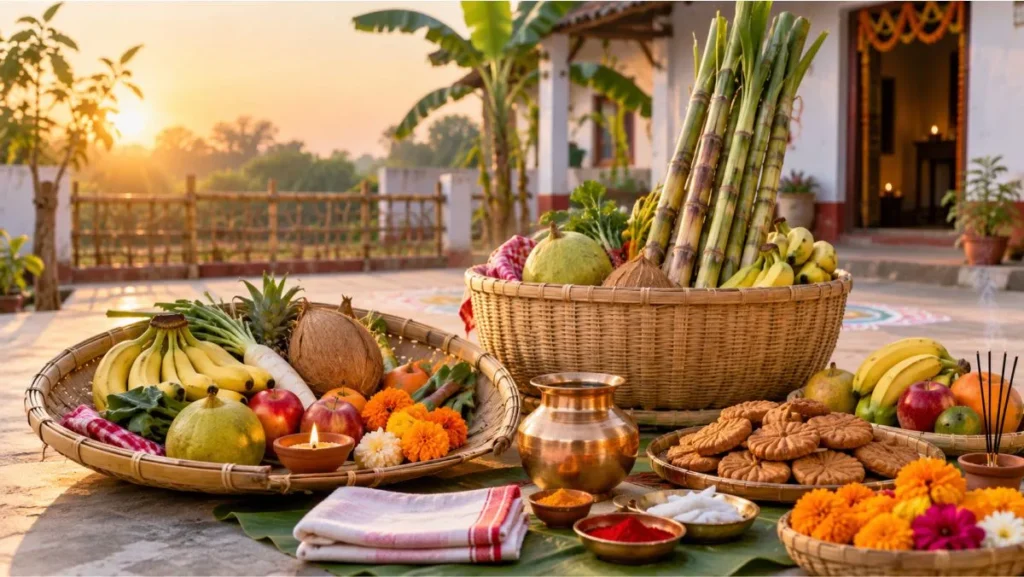
Chhath Puja samagri with soop, daura, banana, coconut, sugarcane and thekua in Bihar

Chhath Puja Samagri List: Complete Bihar Checklist

Chhath Puja Samagri List: Complete Bihar Checklist Preparing for Chhath Puja involves much more than arranging a regular puja thali. Families may need soop and daura, fruits, sugarcane, coconut, arghya vessels, diya materials, ingredients for Kharna and traditional prasad such as thekua. Because Chhath continues across four days, the easiest way to prepare is to divide the Chhath Puja Samagri List into a few practical groups: reusable items, fresh fruits and produce, prasad ingredients, arghya materials and the supplies required for each day. Chhath traditions can vary between families, districts and communities across Bihar and other regions where the festival is observed. This checklist is therefore a practical Bihar-focused preparation guide, not a rule that every household must follow in exactly the same way. Chhath Puja 2026 Dates in Bihar For Patna, Bihar, the 2026 Chhath sequence is: Day Chhath Puja 2026 Day 1 – Nahay Khay Friday, November 13, 2026 Day 2 – Kharna / Lohanda Saturday, November 14, 2026 Day 3 – Sandhya Arghya Sunday, November 15, 2026 Day 4 – Usha Arghya & Parana Monday, November 16, 2026 Drik Panchang’s Patna calendar confirms this four-day sequence. For Patna, Sandhya Arghya is on November 15 and Usha Arghya with Parana is on November 16. Drikpanchang Sunrise and sunset times are location-specific. Families in Gaya, Muzaffarpur, Bhagalpur, Darbhanga and other cities should check the timing for their own location before the festival. What Is Chhath Puja? Chhath Puja is a four-day Hindu observance with especially deep cultural importance in Bihar. Worship centers on Surya Dev, with arghya offered to both the setting and rising sun. Bihar Tourism describes the festival as a four-day observance, with Kharna on the second day, evening arghya on the third and morning arghya followed by breaking the fast on the fourth. Bihar Tourism The four days are commonly known as: Chhathi Maiya, or Shashthi Devi, also holds an important place in Chhath devotion. Bihar Tourism’s cultural material describes Chhath as dedicated to the Sun and Shashthi Devi/Chhathi Maiya. Bihar Tourism Chhath Puja Samagri List at a Glance Category Common Items Soop & Daura Soop, daura, carrying basket Arghya Lota or suitable vessel, clean water, milk where followed Fruits Banana, coconut, seasonal fruits Traditional Produce Sugarcane and locally followed produce Prasad Wheat flour, jaggery, rice, milk and recipe-specific ingredients Puja Essentials Diya, cotton wick, puja ghee/oil for diya use, dhoop, camphor, sindoor/kumkum Other Items Betel nut, leaves and household-specific offerings where followed Not every family uses every item. Local availability and long-established household traditions should determine the final list. Complete Chhath Puja Samagri Checklist 1. Soop, Daura and Carrying Baskets Soop and daura are among the most recognizable Chhath items. In common usage: Government cultural material describes the Chhath soop/dala as a flat basket that may be made of bamboo or metal, so bamboo should not be presented as the only possible material used by every family. Ministry of Information and Broadcasting Depending on household practice, prepare: If you are reusing older bamboo items, inspect them beforehand. They should be clean, dry and strong enough to carry the intended load. 2. Fruits and Fresh Produce Fruits and agricultural produce are important parts of many Chhath offerings. Common items include: Government sources documenting Chhath traditions specifically mention fruits, thekua, coconut, banana and sugarcane among commonly associated offerings. Bihar Bhawan There is no need to buy every fruit or vegetable mentioned in an online list. Begin with the produce traditionally used in your household. Freshness also matters. Delicate fruits and other perishables are generally better purchased closer to the arghya days. 3. Arghya Samagri For Sandhya and Usha Arghya, families may prepare: Sandhya Arghya is offered to the setting sun on the third day. Usha Arghya is offered to the rising sun on the fourth morning, after which Parana takes place. Bihar Tourism The exact vessel, milk use and method of offering can vary, so avoid treating one ratio or one arrangement as compulsory for every household. 4. Diya and Other Non-Food Puja Essentials Depending on your household tradition, keep: One distinction is especially important: A product intended only for diya or ritual use should not automatically be used as a food ingredient. For example, SAV Products publicly describes its Pooja Ghee as “Pooja Ghee for Diya.” Ritual-use ghee or oil should therefore not be used for thekua, Kharna food or any edible prasad unless the specific packaging clearly states that it is suitable for consumption. SAV Products Chhath Prasad Samagri Food ingredients should be organized separately from non-food puja supplies such as camphor, dhoop and diya fuel. Thekua Ingredients Thekua is one of the best-known traditional Chhath prasad preparations. Bihar Tourism identifies whole-wheat flour, ghee and jaggery as key ingredients and describes thekua as a traditional Bihar preparation offered as Chhath prasad. Bihar Tourism A household recipe may therefore include: Some families may use a different edible frying medium according to their own recipe. Whatever recipe is followed, use ingredients intended for human consumption. Do not substitute a ritual-only puja oil or diya ghee unless its label specifically approves food use. Kharna Prasad Ingredients Kharna is observed on the second day. Bihar Tourism describes kheer and fruit among the offerings associated with Kharna. Bihar Tourism A Bihar government publication also documents Kharna kheer made with rice, jaggery and milk, while another state publication notes kheer and wheat-flour roti in Chhath practice. Bihar Bhawan Depending on family tradition, ingredients may therefore include: Some households refer to a jaggery-based preparation as rasiao. Recipes and terminology can differ, so follow the method traditionally used in your family. Chhath Puja Samagri for All Four Days Day 1 – Nahay Khay For Nahay Khay, preparation may focus on: There is no need to treat one online Nahay Khay menu as compulsory for all Bihar households. Day 2 – Kharna / Lohanda Prepare according to family tradition: Keep edible ingredients and cooking equipment separate from ritual-use products. Day 3 – Sandhya Arghya This is generally one of the most preparation-heavy stages.

Chhath Puja Samagri List: Complete Bihar Checklist Read More »
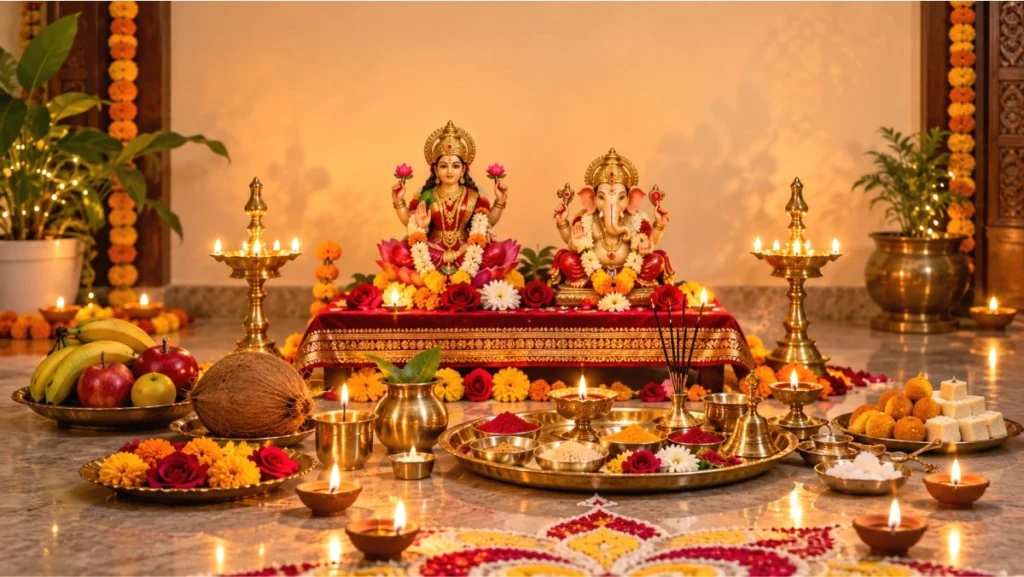
Diwali Puja Samagri List with Lakshmi Ganesh, diya, ghee, flowers and puja thali

Diwali Puja Samagri List: Complete Lakshmi Ganesh Puja Checklist

Diwali Puja Samagri List: Complete Lakshmi Ganesh Puja Checklist Preparing for Diwali Lakshmi-Ganesh Puja becomes much easier when the puja samagri is arranged before worship begins. Commonly used items include diyas, cotton wicks, puja ghee or oil, kumkum or roli, akshat, flowers, dhoop, kapoor, water, fruits, sweets and other food offerings. There is no single universal Diwali Puja Samagri List followed by every Hindu household. Practices vary by family, region, sampradaya and local custom. Some families prepare a kalash and include specific leaves or coins, while others follow a much simpler Lakshmi-Ganesh Puja setup. Use this guide as a practical preparation checklist rather than a fixed religious rule. If your family follows an established Diwali Puja method, that tradition should guide your final samagri list. Terminology note: Bhog or naivedya refers to food presented as an offering during puja. After it has been offered, it may be received or shared as prasad according to tradition. Hindu puja guidance distinguishes naivedya from prasadam in this way. Hindu American Foundation Diwali Puja Samagri List at a Glance The table below gives a quick overview of commonly used Lakshmi Ganesh Puja Samagri. Category Commonly Used Items Lakshmi-Ganesh setup Lakshmi and Ganesh murti/photo, chowki, clean cloth Kalash, if followed in your tradition Kalash, water, coconut, leaves according to tradition, mauli Tilak and puja items Kumkum/roli, haldi, chandan, akshat Diya Diyas, puja ghee or oil, cotton wicks Fragrance and aarti Dhoop, agarbatti, kapoor, aarti thali, bell Flowers Fresh flowers, garland Bhog / Naivedya Fruits, sweets and family-traditional food offerings Business or trading tradition Coins, account books, pen or cash box where customary Other useful items Paan/supari where used, matchbox/lighter A simple household puja may use only part of this list. The purpose is to help you prepare, not to suggest that every item is compulsory. What Is Diwali Puja? Diwali includes a range of religious and regional observances across India. Lakshmi Puja is one of its prominent traditions, and Lord Ganesha is also widely associated with Diwali festivities. India’s official tourism portal describes Lakshmi as associated with prosperity and fortune and Ganesha with wisdom and the removal of obstacles. Incredible India In many households, Maa Lakshmi and Shri Ganesha are worshipped together during the main Diwali evening puja. The exact form of worship can vary considerably. Some households include a kalash, account books, coins, additional deities or region-specific offerings. Others perform a simpler home puja using diya, flowers, tilak materials and naivedya. Why Are Lakshmi and Ganesh Worshipped During Diwali? A common traditional explanation connects Maa Lakshmi with prosperity and Shri Ganesha with wisdom, auspicious beginnings and the removal of obstacles. Hindu American Foundation material also documents traditions in which Lakshmi and Ganesha are welcomed together during Diwali, while noting the festival’s wide regional diversity. Hindu American Foundation This should be understood as a common traditional explanation, not as the only theological interpretation followed by every Hindu community. Diwali 2026 Date For 2026, Diwali falls on Sunday, November 8, 2026. India’s Ministry of Tourism lists Diwali on that date. Incredible India Festival Date Diwali / Lakshmi Puja 2026 Sunday, November 8, 2026 What Time Is Lakshmi Puja in 2026? The exact Lakshmi Puja Muhurat is location-dependent. It should not be presented as one universal India-wide time. For example, Panchang calculations for Delhi, Pune, Chennai, Jaipur, Hyderabad and other cities show different Lakshmi Puja timings for the same date. Drik Panchang If timing is important for your household, check an authoritative Panchang for your specific city before the puja. Because this article uses an evergreen URL, the date section should be reviewed and updated each year without creating a new year-specific page. Complete Lakshmi Ganesh Puja Samagri Checklist Instead of using one overwhelming 40- or 50-item list, it is more practical to organize Diwali Puja Samagri by purpose. 1. Lakshmi-Ganesh Murti and Puja Setup A common home setup may include: You do not necessarily need new murtis, thalis or cloth every year. Reusable items from your home mandir can be cleaned and prepared before Diwali. 2. Kalash Samagri If your family includes kalash sthapana in Diwali Puja, commonly used materials may include: Kalash arrangements vary considerably, so this should be treated as a tradition-specific section rather than a compulsory Diwali kit. If you are unsure, follow your household method or consult a knowledgeable priest. 3. Diya, Puja Ghee, Oil and Cotton Wicks Diyas are among the most recognizable parts of Diwali worship and decoration. Keep ready: Different families use ghee, particular oils or both. Follow the practice traditionally used in your household rather than treating one option as universally mandatory. 4. Kumkum, Roli, Haldi, Akshat and Chandan Common tilak and puja materials may include: These can be placed in small covered containers inside or beside the puja thali. Their use varies between traditions. One household may use several of them, while another may use only a few. 5. Dhoop, Agarbatti and Kapoor Many families use dhoop, agarbatti or kapoor during Diwali Puja and aarti. You may keep: Use burning products only in suitable holders and keep them away from curtains, paper decorations, loose clothing and children. 6. Flowers and Puja-Space Decoration Items Fresh flowers are commonly used for offering and decorating the worship area. You may prepare: Optional puja-space decoration items may include: These are useful for preparing the Diwali space but should not be confused with universally required ritual samagri. Flowers and decoration styles vary according to region, availability and family custom. 7. Bhog / Naivedya Items Bhog or naivedya refers to food presented during worship. Once offered, it may be received or distributed as prasad. Hindu American Foundation Depending on household tradition, Diwali naivedya may include: There is no need to copy a very long food list if your family traditionally offers only a few items. Choose clean, fresh offerings that are suitable for your household tradition. 8. Coins, Bahi-Khata and Business Puja Items Some business and trading communities observe Diwali with Chopda Puja, bahi-khata puja or related account-book traditions. This practice is

Diwali Puja Samagri List: Complete Lakshmi Ganesh Puja Checklist Read More »

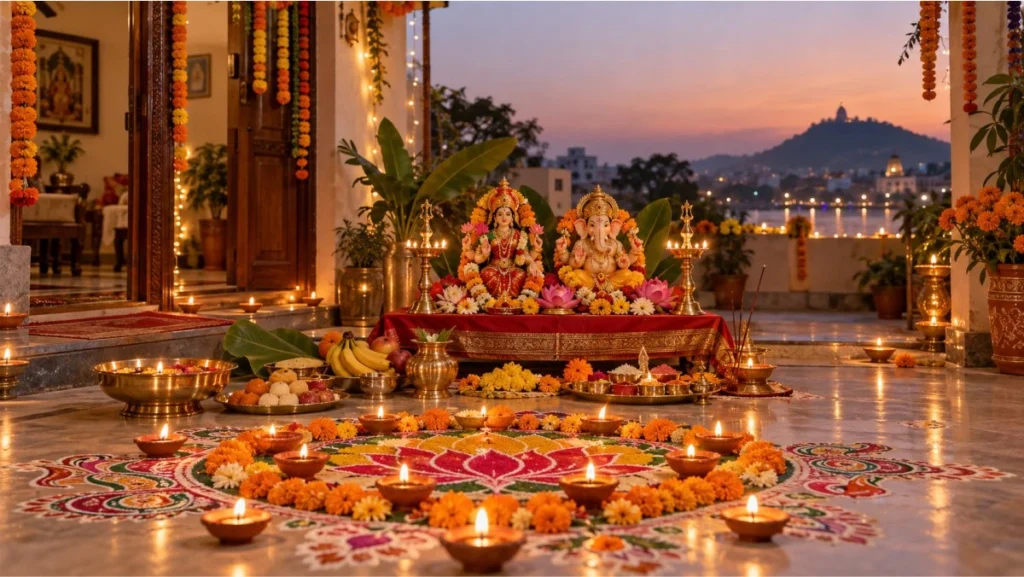
Diwali 2026 date and Lakshmi Puja in Gaya Bihar with diyas and rangoli

Diwali 2026: Date, Lakshmi Puja Time & Festival Guide

Diwali 2026: Date, Lakshmi Puja Time & Festival Guide Diwali 2026 falls on Sunday, November 8, 2026. For Gaya, Bihar, the Lakshmi Puja Muhurat is 5:30 PM to 7:27 PM, with Pradosh Kaal from 5:06 PM to 7:41 PM. Amavasya Tithi begins at 11:27 AM on November 8 and ends at 12:31 PM on November 9. These Gaya-specific timings are listed by Drik Panchang. Drik Panchang India’s Ministry of Tourism also lists Diwali on Sunday, November 8, 2026 in its national festival calendar. Incredible India Diwali, also known as Deepavali, is celebrated through a wide range of Hindu traditions. Depending on region and family custom, observances may include Lakshmi-Ganesh Puja, lighting diyas, rangoli, sweets, family gatherings, business worship and other local practices. This guide covers the Diwali 2026 date, Gaya-specific Lakshmi Puja timing, Amavasya Tithi, important Diwali-period dates for Bihar, the meaning of the festival, common traditions and practical preparation. Important: Lakshmi Puja timings are location-specific. Readers outside Gaya should check a Panchang calculated for their own city before performing time-sensitive rituals. Diwali 2026 Date and Lakshmi Puja Time in Gaya For Gaya, Bihar, the main Diwali and Lakshmi Puja observance falls on Sunday, November 8, 2026. Diwali 2026 Details Gaya, Bihar Diwali / Lakshmi Puja Sunday, November 8, 2026 Lakshmi Puja Muhurat 5:30 PM–7:27 PM Pradosh Kaal 5:06 PM–7:41 PM Vrishabha Kaal 5:30 PM–7:27 PM Amavasya Tithi Begins 11:27 AM, November 8 Amavasya Tithi Ends 12:31 PM, November 9 Drik Panchang’s Gaya calculation also labels the observance Lakshmi Ganesha Saraswati Pujan. That wording reflects the cited Panchang and should not be treated as a universal requirement for every household. Drik Panchang Is Lakshmi Puja Time the Same Across India? No. Lakshmi Puja Muhurat varies by location because local sunset and Panchang calculations differ. For example, the same 2026 Panchang source shows different Lakshmi Puja times for cities such as Delhi, Mumbai, Chennai and Bihar locations. Drik Panchang If you live outside Gaya, use the timing calculated specifically for your location. Diwali 2026 Kab Hai? Diwali 2026 रविवार, 8 नवंबर 2026 को मनाई जाएगी। For Gaya, Lakshmi Puja falls on the Amavasya evening of November 8. Amavasya Tithi begins at 11:27 AM on November 8 and continues until 12:31 PM on November 9. Drik Panchang So, if you are searching for Diwali 2026 kab hai, Diwali date 2026 or Deepavali 2026 date, the main date to note is: Sunday, November 8, 2026. What Is Diwali? Diwali, or Deepavali, is a major festival celebrated across India and by Hindu communities around the world. Light, renewal, auspiciousness and the victory of good over evil are widely associated with the festival, but Diwali does not have one identical story or ritual pattern across every region. In many North Indian traditions, Diwali is associated with Lord Rama’s return to Ayodhya following his exile and victory over Ravana. India’s Ministry of Tourism also highlights this tradition while describing the festival’s broader themes of light overcoming darkness. Incredible India Other regions emphasize different traditions. In parts of southern India, Diwali traditions are connected with Lord Krishna’s victory over Narakasura, while eastern Indian communities may emphasize other forms of worship. Incredible India Because of this diversity, Diwali is better understood as a festival with several connected traditions rather than one uniform celebration observed identically everywhere. Why Is Lakshmi Puja Performed on Diwali? Goddess Lakshmi is widely associated with prosperity, fortune and auspiciousness. Lord Ganesha is commonly associated with wisdom, auspicious beginnings and the removal of obstacles. India’s official tourism portal identifies both deities as prominent figures in Diwali celebrations. Incredible India A common traditional explanation for Lakshmi-Ganesh worship is that families seek prosperity together with wisdom and auspicious beginnings. That explanation should not be treated as the only theological interpretation of Diwali. Deities, mantras and ritual sequences can vary by family, region and sampradaya. If your household follows an established family tradition, that tradition should guide the puja. Diwali 2026 Festival Dates for Gaya and Bihar Diwali is commonly described as a five-day festival, but the individual observances do not necessarily fall on five consecutive Gregorian dates. Hindu festival dates follow tithi rules, and some observances may overlap or have gaps between their civil-calendar dates. For the Bihar-focused sequence below, Drik Panchang’s 2026 Bihar calendar lists Dhanteras on November 6, Kali Chaudas on November 7, Diwali and Narak Chaturdashi on November 8, Govardhan Puja on November 10 and Bhaiya Dooj on November 11. The Gaya-specific Dhanteras and Lakshmi Puja pages independently confirm November 6 and November 8 for those observances. Drik Panchang Festival / Observance 2026 Date Dhanteras Friday, November 6 Kali Chaudas Saturday, November 7 Narak Chaturdashi Sunday, November 8 Diwali / Lakshmi Puja Sunday, November 8 Govardhan Puja Tuesday, November 10 Bhai Dooj Wednesday, November 11 Names such as Kali Chaudas, Narak Chaturdashi and Chhoti Diwali should not automatically be treated as interchangeable in every region or Panchang. The 2026 Bihar calendar itself lists Kali Chaudas on November 7 and Narak Chaturdashi on November 8. Drik Panchang Dhanteras — November 6 For Gaya, Dhanteras 2026 falls on Friday, November 6. The Gaya-specific Panchang lists Dhanteras Puja on that date. Drik Panchang For detailed preparation, link here to your Dhanteras Puja Samagri List if that article is already published. Kali Chaudas and Pre-Diwali Traditions — November 7 The Bihar calendar used for this guide lists Kali Chaudas on Saturday, November 7. Narak Chaturdashi is listed separately on November 8. Drik Panchang This is a good example of why regional Panchang treatment matters. Families should follow their local calendar and established tradition rather than assuming every pre-Diwali name refers to the same observance. Diwali and Lakshmi Puja — November 8 Sunday, November 8, 2026 is the main Diwali and Lakshmi Puja date for Gaya. Common household traditions may include: For the full item-by-item preparation list, see your Diwali Puja Samagri List: Complete Lakshmi Ganesh Puja Checklist. Govardhan Puja — November 10 The Bihar Panchang sequence used here lists Govardhan Puja on Tuesday, November 10, 2026. Drik

Diwali 2026: Date, Lakshmi Puja Time & Festival Guide Read More »

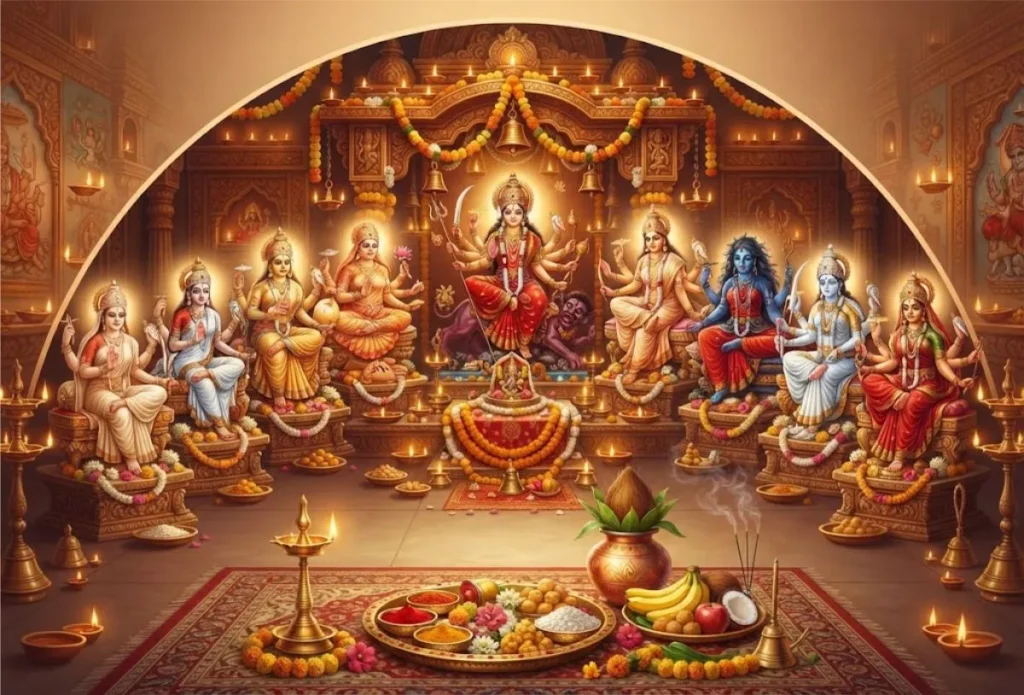
Navratri 9 days Navdurga images with puja samagri

Navratri 9 Days Images with Puja Samagri: Daily Devotion Guide for All Nine Days

Navratri 9 Days Images with Puja Samagri: Daily Devotion Guide for All Nine Days Navratri is a nine-night Hindu festival associated with devotion to the Divine Feminine. In Navdurga traditions, devotees remember nine forms of Maa Durga in sequence—from Maa Shailputri on Day 1 to Maa Siddhidatri on Day 9. India’s Ministry of Tourism lists the same nine Navdurga forms and highlights the wide regional diversity of Navratri celebrations. Incredible India If you are looking for Navratri 9 days images, this guide brings all nine Navdurga names together with short devotional context and a practical Navratri Puja Samagri checklist for home worship. There is no universally required different samagri list for each of the nine days. Many households use the same basic puja essentials throughout Navratri and add deity-, family- or tradition-specific items where appropriate. Navratri practices vary by family, region and sampradaya, so use this as a preparation and devotional guide rather than a fixed Puja Vidhi. Navratri 9 Days Images and Navdurga Names at a Glance Day Navdurga Form Common Devotional Association Day 1 Maa Shailputri Beginnings, strength and devotion Day 2 Maa Brahmacharini Devotion, discipline and spiritual focus Day 3 Maa Chandraghanta Courage and inner strength Day 4 Maa Kushmanda Energy, warmth and vitality Day 5 Maa Skandamata Motherly devotion and compassion Day 6 Maa Katyayani Strength and resolve Day 7 Maa Kalaratri Courage and protection Day 8 Maa Mahagauri Grace, peace and purity Day 9 Maa Siddhidatri Spiritual fulfillment and blessings These associations are broad devotional themes rather than universal theological definitions. Official Indian tourism material similarly connects the nine forms with themes such as beginnings, devotion, courage, energy, maternal qualities, strength, grace and spirituality. Incredible India What Is Navratri? The word Navratri means “nine nights.” The festival is celebrated through different devotional and cultural traditions across India, with many communities honoring forms of Goddess Durga or Shakti. Incredible India In Navdurga worship, the nine forms are remembered in this traditional order: Different Navratri observances take place during the year, and festival dates, rituals and regional customs can vary. This page is intentionally evergreen and focuses on the Navdurga sequence rather than one specific year’s calendar. Navratri Puja Samagri Commonly Used for All 9 Days Keeping frequently used puja materials together can make daily worship easier. Common household items may include: Not every family needs every item. A simple daily puja may use only a diya, flowers, tilak materials, water and naivedya together with the household’s normal prayers or aarti. Bhog, Naivedya and Prasad Food prepared before or during worship is better described as bhog or naivedya. After it has been offered, it may be received or distributed as prasad according to household tradition. Hindu puja guidance similarly distinguishes naivedya as food offered during worship from prasadam received after the offering. Hindu American Foundation For a broader everyday checklist, the existing Daily Puja Samagri List for Home is a useful supporting guide. SAV Products – VARUN® Navratri 9 Days Images with Names Day 1 — Maa Shailputri Maa Shailputri is worshipped as the first form in the Navdurga sequence. Her name is commonly understood in connection with the mountain, and devotional traditions associate her with beginnings, strength and the start of the nine-day spiritual journey. The first day can be approached simply: prepare the worship area, arrange the household’s normal puja essentials and begin Navratri according to family tradition. Maa Shailputri — Day 1 of Navratri. Day 2 — Maa Brahmacharini Maa Brahmacharini is the second Navdurga form. She is commonly associated in devotional traditions with discipline, devotion, simplicity and spiritual determination. The day can be observed through focused prayer, reflection and the regular household puja routine. An elaborate setup is not necessary unless it forms part of your own tradition. Maa Brahmacharini — Day 2 of Navratri. Day 3 — Maa Chandraghanta Maa Chandraghanta is worshipped on the third day. Devotional traditions commonly connect her with courage, strength and overcoming fear. The day can become an opportunity for prayer for confidence and inner steadiness. Use the same basic puja materials your household normally follows rather than assuming a completely separate list is required for Day 3. Maa Chandraghanta — Day 3 of Navratri. Day 4 — Maa Kushmanda Maa Kushmanda is the fourth form in the Navdurga sequence. She is commonly associated with divine energy, vitality, warmth and creative power. Devotees may approach the day with gratitude and prayers for well-being. Flowers and bhog/naivedya may be offered according to household tradition. Maa Kushmanda — Day 4 of Navratri. Day 5 — Maa Skandamata Maa Skandamata is worshipped on Navratri Day 5. She is commonly remembered as a motherly form of the Goddess and associated with compassion and maternal devotion. Families may use the day to pray for peace, family well-being and spiritual strength while continuing with their normal Navratri worship. Maa Skandamata — Day 5 of Navratri. Day 6 — Maa Katyayani Maa Katyayani is the sixth Navdurga form. She is commonly associated with strength, determination and courage. Devotional worship on this day may focus on resolve and the strength to follow the right path. Prepare the household’s normal diya, flowers, tilak materials and naivedya as appropriate. Maa Katyayani — Day 6 of Navratri. Day 7 — Maa Kalaratri Maa Kalaratri is worshipped on the seventh day. She is remembered as a powerful form of the Goddess and is commonly associated with courage, divine strength and protection from darkness or fear. Incredible India The devotional atmosphere may feel more intense, but worship can remain simple and consistent with family practice. Maa Kalaratri — Day 7 of Navratri. Day 8 — Maa Mahagauri Maa Mahagauri is the eighth Navdurga form and is commonly associated with grace, peace and purity. Ashtami carries special importance in many households, but the rituals followed on this day can vary considerably by region and family tradition. If your family follows a particular Ashtami observance, prepare any additional materials according to that established practice rather than relying on a generic list.

Navratri 9 Days Images with Puja Samagri: Daily Devotion Guide for All Nine Days Read More »

Pitru Paksha Puja Samagri in Gaya for Pind Daan and Tarpan

Pitru Paksha Puja Samagri in Gaya: Complete Pind Daan & Tarpan Items List

Pitru Paksha Puja Samagri in Gaya: Complete Pind Daan & Tarpan Items List Gaya Ji is one of the most important pilgrimage destinations in India for Pind Daan, Tarpan and Shraddh rituals. During Pitru Paksha, thousands of devotees visit the city to offer prayers for their departed ancestors at sacred places such as the Falgu River, Vishnupad Temple, Akshayavat and traditional Pind Daan vedis. For families travelling from outside Bihar, especially first-time visitors, one of the most common concerns is knowing what puja samagri to carry, which items are needed for Tarpan, and what can be arranged locally in Gaya Ji. A clear Pitru Paksha Puja Samagri in Gaya checklist can make preparation easier and help avoid unnecessary stress on the day of the ritual. This guide explains the commonly used puja items for Pind Daan, Tarpan and Shraddh, along with practical tips for carrying, organizing and buying puja samagri during Pitru Paksha in Gaya. At SAV Products, we understand the importance of purity, faith and tradition in every puja. Through VARUN® Pooja Products, we offer essential puja items for daily worship, festivals and religious rituals. Important Note: Pind Daan and Shraddh rituals may vary by family tradition, region, gotra and priestly guidance. Always confirm the final samagri list and ritual method with your Pandaji or family priest before the ceremony. What Is Pitru Paksha? Pitru Paksha is a sacred period in Hindu tradition dedicated to remembering and honoring departed ancestors. During this period, devotees perform rituals such as Shraddh, Tarpan and Pind Daan with faith, gratitude and respect. Shraddh is performed as an act of remembrance and reverence for departed family members. Tarpan generally involves offering water, til and other sacred items while remembering one’s ancestors. Pind Daan involves offering pind, traditionally prepared from rice, barley flour, black sesame and other ritual materials as instructed by the priest. In Gaya Ji, Pitru Paksha holds special importance because the city has long been associated with ancestral rituals. Many devotees believe that performing Pind Daan in Gaya brings spiritual peace to departed souls and fulfills an important family duty. Since the exact method may vary by family tradition, region and priestly guidance, devotees should always confirm the final ritual procedure and samagri list with their Pandaji. Why Is Gaya Ji Important for Pind Daan? Gaya Ji is one of the most respected pilgrimage centers in India for Pind Daan. Devotees from Bihar, Jharkhand, Uttar Pradesh, West Bengal, Maharashtra, Gujarat, Rajasthan, Delhi and many other states visit Gaya during Pitru Paksha. The city is spiritually connected with sacred places such as Falgu River, Vishnupad Temple, Akshayavat and several traditional vedis. The Falgu River is closely associated with Tarpan rituals, while Vishnupad Temple is an important center for prayers and ancestral offerings. Because large numbers of pilgrims arrive during Pitru Paksha, the availability of puja samagri becomes especially important. Although many items can be purchased locally, carrying essential items in advance can make the process smoother, particularly for families travelling with elderly members. Pitru Paksha Mela Gaya 2026 Date According to the official Gaya Pinddaan portal, Pitrapaksha Mela 2026 in Gaya Ji is scheduled from 26 September 2026 to 10 October 2026. Devotees planning to visit Gaya during this period should prepare their puja samagri, travel arrangements and local plans well in advance. Event Date Pitrapaksha Mela Gaya 2026 Starts 26 September 2026 Pitrapaksha Mela Gaya 2026 Ends 10 October 2026 Sarva Pitru Amavasya 2026 10 October 2026 Place Gaya Ji, Bihar For official mela-related information, pilgrims can also check the Pinddaan Gaya Ji official portal. During the mela, Gaya experiences heavy pilgrim traffic. It is therefore wise to confirm your ritual date, speak with your Pandaji, arrange accommodation and prepare essential puja items before travelling. Complete Pitru Paksha Puja Samagri List for Gaya Pind Daan The exact puja samagri may vary depending on family tradition, Pandaji guidance and the place where the ritual is performed. However, the following checklist covers commonly used items for Pind Daan, Tarpan and Shraddh-related rituals in Gaya Ji. Basic Puja Samagri Puja Item Use in Ritual Puja Thali To arrange puja items Kumkum Tilak and puja use Roli / Sindoor Traditional ritual use Akshat / Rice Offering during puja Flowers Offering to deities and ancestors Betel Leaves Traditional puja offering Betel Nut / Supari Puja and sankalp use Mauli Dhaga / Kalawa Tying during ritual or sankalp Dhoop Fragrance and devotional atmosphere Camphor / Kapoor Aarti and purification Puja Ghee Diya, aarti and ritual use Puja Oil Lighting diya Cotton Wicks Lighting diya Diya Deep daan and aarti Gangajal / Clean Water Purification and ritual offering Tarpan Samagri Item Purpose Black Sesame / Til Commonly used in Tarpan Water Main offering during Tarpan Kusha Grass Traditionally used in ancestral rituals Brass / Copper Lota For water offering Puja Asan Sitting during ritual White Cloth Often used in Shraddh-related rituals Tarpan is usually performed with water and til while remembering the departed ancestors. The exact mantras, direction, posture and process should be followed as guided by the priest. Pind Daan Samagri Item Purpose Rice Flour / Cooked Rice Used for preparing pind Barley Flour Traditional offering item Black Sesame Used in pind and Tarpan Honey Used in ritual preparation Ghee Used in sacred offerings Banana Leaves / Pattal For placing offerings Flowers Ritual offering Dhoop and Kapoor Puja and aarti Clean Cloth Used as per ritual requirement Dakshina Offered according to tradition Before finalizing your list, speak with your Pandaji or priest. Some rituals may require additional materials, while others may use a simpler set of items depending on family tradition and the selected ritual location. VARUN® Products Useful for Pitru Paksha Puja For sacred rituals, clean and reliable puja items are important. VARUN® Pooja Products offers daily and festival-use essentials suitable for home worship, temple use and religious occasions. VARUN® Product Use During Puja VARUN® Puja Ghee Diya, aarti and ritual use VARUN® Puja Oil Lighting diya VARUN® Organic Humad Dhoop Fragrance and devotional atmosphere VARUN®

Pitru Paksha Puja Samagri in Gaya: Complete Pind Daan & Tarpan Items List Read More »

Pitru Paksha Mela Gaya 2026 Pind Daan at Falgu River

Pitru Paksha Mela Gaya 2026: तिथि, पिंडदान विधि, गया जी के प्रमुख वेदी स्थल, पूजा सामग्री और संपूर्ण यात्रा गाइड

Pitru Paksha Mela Gaya 2026: तिथि, पिंडदान विधि, गया जी के प्रमुख वेदी स्थल, पूजा सामग्री और संपूर्ण यात्रा गाइड Pitru Paksha Mela Gaya 2026 का आयोजन 26 सितंबर से 10 अक्टूबर 2026 तक निर्धारित है। इस दौरान देश-विदेश से बड़ी संख्या में श्रद्धालु गया जी पहुंचकर अपने पितरों की स्मृति में श्राद्ध, तर्पण और पिंडदान करते हैं। 10 अक्टूबर को सर्वपितृ अमावस्या के साथ पितृ पक्ष का समापन होगा। पहली बार गया आने वाले परिवारों के लिए केवल तिथि जानना पर्याप्त नहीं होता। किस दिन श्राद्ध करना है, पिंडदान की सामान्य प्रक्रिया क्या होती है, कौन-सी पूजा सामग्री साथ रखनी चाहिए, विष्णुपद मंदिर और फल्गु नदी का क्या महत्व है, कितने दिन रुकना उचित रहेगा और मेले के दौरान यात्रा व आवास की योजना कैसे बनाएं—इन सभी बातों की जानकारी पहले से होना उपयोगी है। इस गाइड में Pitru Paksha Mela Gaya 2026 dates, Gaya Pind Daan, प्रमुख वेदी स्थल, पूजा सामग्री, श्राद्ध तिथि कैलेंडर, Sarva Pitru Amavasya 2026, यात्रा, ठहरने और पहली बार आने वाले श्रद्धालुओं के लिए व्यावहारिक सुझाव एक ही जगह दिए गए हैं। महत्वपूर्ण: श्राद्ध की तिथि, विधि और आवश्यक सामग्री परिवार, गोत्र, परंपरा और संप्रदाय के अनुसार अलग हो सकती है। अंतिम धार्मिक निर्णय अपने पारिवारिक पुरोहित या अनुभवी गया जी पंडा से अवश्य सुनिश्चित करें। Pitru Paksha Mela Gaya 2026 Kab Hai? गया जी में Pitru Paksha Mela 2026 शनिवार, 26 सितंबर 2026 से शनिवार, 10 अक्टूबर 2026 तक आयोजित किया जाना निर्धारित है। जानकारी तिथि / विवरण पितृपक्ष मेला गया 2026 26 सितंबर–10 अक्टूबर 2026 पूर्णिमा श्राद्ध 26 सितंबर 2026 प्रतिपदा श्राद्ध 27 सितंबर 2026 सर्वपितृ अमावस्या 10 अक्टूबर 2026 मेला स्थान गया जी, बिहार आधिकारिक जानकारी और यात्री सुविधाओं के लिए आप Pinddaan Gaya Ji official portal भी देख सकते हैं। मेले के दौरान प्रशासनिक व्यवस्था, आवास, यात्री सहायता, पंडा जी सूची और अन्य सुविधाओं से जुड़ी जानकारी समय-समय पर अपडेट हो सकती है। पंचांग के अनुसार वास्तविक श्राद्ध तिथि सूर्योदय, तिथि की अवधि और स्थान के आधार पर निर्धारित की जाती है। इसलिए किसी विशेष पूर्वज का श्राद्ध करने से पहले केवल अंग्रेजी कैलेंडर की तारीख पर निर्भर न रहें। यात्रा की दृष्टि से एक दिन पहले गया पहुंचना सुविधाजनक हो सकता है, खासकर यदि परिवार में बुजुर्ग सदस्य हों या कर्मकांड सुबह जल्दी शुरू होना हो। Pitru Paksha Kya Hai? पितृ पक्ष हिंदू परंपरा में पूर्वजों की स्मृति, सम्मान और कृतज्ञता से जुड़ा विशेष काल है। इस अवधि में परिवार अपने दिवंगत पूर्वजों के लिए श्राद्ध, तर्पण और पिंडदान जैसे पितृ कर्म करते हैं। श्राद्ध श्रद्धा से किए जाने वाले पितृ कर्म का व्यापक नाम है। तर्पण में सामान्यतः जल, तिल आदि के माध्यम से पितरों का स्मरण किया जाता है, जबकि पिंडदान में परंपरा के अनुसार चावल, जौ, तिल या अन्य निर्धारित सामग्री से पिंड बनाकर अर्पित किए जाते हैं। इन कर्मों की विधि पूरे भारत में एक जैसी नहीं होती। परिवार की परंपरा, क्षेत्र, संप्रदाय और पुरोहित परंपरा के अनुसार सामग्री और क्रम बदल सकता है। इसलिए इंटरनेट पर उपलब्ध किसी एक सूची को अंतिम धार्मिक नियम नहीं मानना चाहिए। Gaya Ji Mein Pind Daan Ka Mahatva गया जी भारत के सबसे प्रसिद्ध पितृ तीर्थों में से एक है। धार्मिक परंपरा में यहां किए जाने वाले श्राद्ध और पिंडदान को विशेष महत्व दिया जाता है। यही कारण है कि पितृ पक्ष के दौरान बड़ी संख्या में श्रद्धालु गया पहुंचते हैं। गया की धार्मिक पहचान मुख्य रूप से विष्णुपद मंदिर, फल्गु नदी, अक्षयवट और अनेक पारंपरिक पिंडदान वेदियों से जुड़ी है। इसका महत्व प्राचीन धार्मिक कथाओं, विष्णु उपासना और सदियों से चली आ रही पितृ कर्म की परंपरा से भी जुड़ा हुआ है। गया आने वाले परिवारों के लिए पिंडदान केवल एक धार्मिक अनुष्ठान नहीं, बल्कि अपने पूर्वजों को श्रद्धापूर्वक स्मरण करने का भावनात्मक अवसर भी होता है। इसलिए यात्रा की योजना बनाते समय धार्मिक आवश्यकताओं के साथ परिवार के स्वास्थ्य, समय और सुविधा का ध्यान रखना भी जरूरी है। Pitru Paksha Mein Gaya Kyon Jate Hain? गया जी को पिंडदान के लिए विशेष तीर्थ माना जाता है। विष्णुपद मंदिर में भगवान विष्णु के चरणचिह्न से जुड़ी धार्मिक मान्यता है, जबकि फल्गु नदी के तट पर लंबे समय से तर्पण और पिंडदान की परंपरा चली आ रही है। गया क्षेत्र में अनेक पारंपरिक वेदियां हैं, लेकिन हर श्रद्धालु के लिए सभी वेदियों पर जाना आवश्यक नहीं होता। किन स्थलों पर कर्म करना है, यह चुनी गई विधि, उपलब्ध समय और पारिवारिक परंपरा पर निर्भर करता है। इसी कारण पहली बार गया आने वाले श्रद्धालुओं के लिए किसी विश्वसनीय स्थानीय मार्गदर्शक, ज्ञात पंडा जी या पारिवारिक पुरोहित से प्रक्रिया पहले ही समझ लेना उपयोगी रहता है। Pind Daan Kya Hai? पिंडदान पूर्वजों की स्मृति में किया जाने वाला एक धार्मिक कर्म है, जिसमें निर्धारित सामग्री से छोटे पिंड तैयार करके मंत्र और संकल्प के साथ अर्पित किए जाते हैं। सामान्यतः चावल, जौ, तिल, आटा या अन्य पारंपरिक सामग्री का उपयोग किया जा सकता है। वास्तविक सामग्री और विधि पुरोहित तथा पारिवारिक परंपरा के अनुसार बदल सकती है। धार्मिक मान्यता में पिंडदान को पितरों के प्रति श्रद्धा, कृतज्ञता और उनकी शांति की कामना से जोड़ा जाता है। इसे केवल एक कर्मकांड के रूप में नहीं, बल्कि परिवार के दिवंगत सदस्यों को आदर और प्रेम के साथ स्मरण करने का अवसर भी माना जाता है। Gaya Mein Pind Daan Kaise Kiya Jata Hai? गया में पिंडदान की विस्तृत विधि परिवार और पुरोहित परंपरा के अनुसार अलग हो सकती है। हालांकि, सामान्य प्रक्रिया को समझना पहली बार आने वाले श्रद्धालुओं के लिए उपयोगी है। चरण सामान्य प्रक्रिया 1. संकल्प नाम, गोत्र और जिन पूर्वजों के लिए कर्म किया जा रहा है, उनका स्मरण 2. तर्पण जल, तिल आदि के माध्यम से पितरों का स्मरण 3. पिंड तैयार करना पुरोहित द्वारा बताई गई सामग्री से पिंड बनाना 4. अर्पण निर्धारित वेदी या स्थल पर पिंड अर्पित करना 5. मंत्र एवं कर्म पंडा/पुरोहित के निर्देशन में आवश्यक विधि 6. समापन प्रार्थना, दक्षिणा या अन्य पारंपरिक कर्म यदि आपके परिवार में पहले गया श्राद्ध किया जा चुका है, तो उससे जुड़ी पुरानी जानकारी, पंडा परिवार का नाम या बही संबंधी विवरण उपलब्ध हो तो

Pitru Paksha Mela Gaya 2026: तिथि, पिंडदान विधि, गया जी के प्रमुख वेदी स्थल, पूजा सामग्री और संपूर्ण यात्रा गाइड Read More »

Ganesh Chaturthi 2026 Kab Hai Janen Puja Vidhi, Muhurat aur Poori Jankari

Ganesh Chaturthi 2026 Kab Hai? Janen Puja Vidhi, Muhurat aur Poori Jankari

गणेश चतुर्थी 2026 (Ganesh Chaturthi): तिथि, शुभ मुहूर्त, पूजा विधि, कथाएँ और पर्यावरण-अनुकूल उत्सव की संपूर्ण जानकारी गणपति बाप्पा मोरया! यह पावन उद्घोष एक बार फिर गूंजने को तैयार है। गणेश चतुर्थी, भगवान गणेश के जन्मोत्सव का यह महापर्व, भारतवर्ष में बड़े ही धूम-धाम और श्रद्धा के साथ मनाया जाता है। यह त्योहार न केवल धार्मिक महत्व रखता है, बल्कि यह हमारी संस्कृति, कला और एकता का भी प्रतीक है। यदि आप गणेश चतुर्थी 2026 (Ganesh Chaturthi 2026) की तैयारी कर रहे हैं, तो यह लेख आपके लिए एक विस्तृत गाइड की तरह काम करेगा। इसमें आपको तिथि और शुभ मुहूर्त से लेकर पूजा विधि, पौराणिक कथाएँ और पर्यावरण-अनुकूल उत्सव मनाने के तरीके तक, हर ज़रूरी जानकारी मिलेगी। गणेश चतुर्थी 2026: कब है? (Ganesh Chaturthi 2026 Date and Time) सबसे पहले, आइए जानते हैं कि साल 2026 में गणेश चतुर्थी कब मनाई जाएगी: नोट: शुभ मुहूर्त और तिथि आपके स्थान के सूर्योदय और पंचांग के अनुसार थोड़ी भिन्न हो सकती है। गणेश चतुर्थी: पौराणिक और ऐतिहासिक महत्व (Mythological & Historical Queries) गणेश चतुर्थी (Ganesh Chaturthi) मनाने के पीछे कई रोचक कहानियाँ और ऐतिहासिक संदर्भ हैं: घर पर गणेश चतुर्थी की पूजा विधि (Ganesh Chaturthi Puja Vidhi at Home) आप घर पर भी सरल विधि से भगवान गणेश की पूजा कर सकते हैं: उकडीचे मोदक कैसे बनाएं? (How to make ukadiche modak) उकडीचे मोदक गणेश चतुर्थी का एक महत्वपूर्ण प्रसाद है। इसे बनाने की विधि यहाँ दी गई है: सामग्री: विधि: घर पर बनाएं इको-फ्रेंडली गणेश मूर्ति (DIY eco friendly ganesha idol) पर्यावरण संरक्षण को ध्यान में रखते हुए, इस बार घर पर ही मिट्टी से गणेश मूर्ति बनाएं: गणपति सजावट के आसान तरीके (Ganpati decoration steps) अपने घर को सुंदर और भक्तिमय बनाने के लिए कुछ आसान सजावट के विचार: प्रेरणादायक और रचनात्मक विचार (Inspirational & Creative Queries) सततता और पर्यावरण (Sustainability Queries) सामान्य प्रश्न और विशिष्ट जानकारी (FAQ & Specific Knowledge Queries) कला और भक्ति का संगम: मनमोहक गणपति सजावट More images conclusion यह विस्तृत ब्लॉग पोस्ट आपको गणेश चतुर्थी (Ganesh Chaturthi) 2026 की तैयारी करने और इस पावन पर्व को श्रद्धा और उल्लास के साथ मनाने में मदद करेगा। आइए, मिलकर अपने प्यारे बाप्पा का स्वागत करें और उनसे सुख, शांति और समृद्धि का आशीर्वाद प्राप्त करें। गणपति बाप्पा मोरया! Related Blog When is Krishna Janmashtami

Ganesh Chaturthi 2026 Kab Hai? Janen Puja Vidhi, Muhurat aur Poori Jankari Read More »

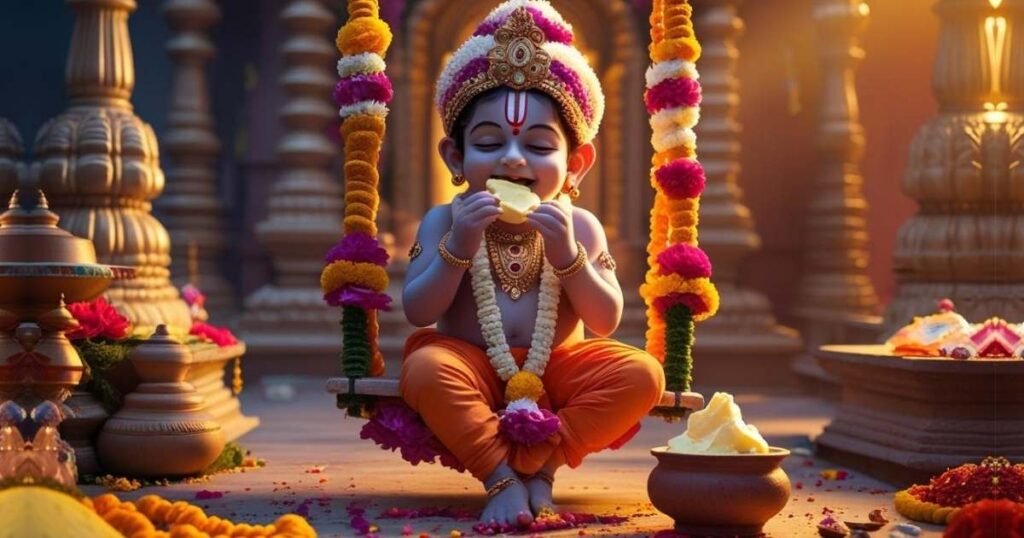
कृष्ण जन्माष्टमी - krishna janmashtami कृष्ण जन्माष्टमी 2025 तिथि, पूजा विधि, व्रत कथा और संपूर्ण जानकारी

Krishna Janmashtami 2027 Kab Hai? जानें तिथि, शुभ मुहूर्त, पूजा विधि, व्रत और संपूर्ण जानकारी

Krishna Janmashtami 2027 की तैयारी पहले से करना भक्तों के लिए उपयोगी रहता है। सही तिथि, अष्टमी तिथि, रोहिणी नक्षत्र, निशिता पूजा मुहूर्त, व्रत विधि और पूजा सामग्री जानकर परिवार जन्माष्टमी की पूजा शांतिपूर्वक और श्रद्धा से कर सकते हैं। Krishna Janmashtami 2027 बुधवार, 25 अगस्त 2027 को मनाई जाएगी। यह पावन पर्व भगवान श्रीकृष्ण के जन्मोत्सव के रूप में मनाया जाता है। हिंदू पंचांग के अनुसार जन्माष्टमी भाद्रपद मास के कृष्ण पक्ष की अष्टमी तिथि को आती है। इसी दिन भक्त भगवान श्रीकृष्ण के बाल स्वरूप लड्डू गोपाल की पूजा करते हैं, व्रत रखते हैं और मध्यरात्रि में जन्मोत्सव मनाते हैं। जन्माष्टमी के अवसर पर घरों और मंदिरों में झांकियां सजाई जाती हैं, भजन-कीर्तन होते हैं और भगवान को माखन-मिश्री, पंचामृत, पंजीरी, फल तथा अन्य सात्त्विक भोग अर्पित किए जाते हैं। Krishna Janmashtami 2027 भक्तों के लिए केवल एक धार्मिक पर्व नहीं, बल्कि भक्ति, प्रेम, धर्म और आनंद का उत्सव है। भारत के अलग-अलग क्षेत्रों में इसे जन्माष्टमी, गोकुलाष्टमी, श्रीकृष्ण जयंती, कृष्णाष्टमी और कृष्ण जन्मोत्सव जैसे नामों से भी जाना जाता है। इस विस्तृत गाइड में आप जानेंगे: Krishna Janmashtami 2027 Kab Hai? कृष्ण जन्माष्टमी 2027 बुधवार, 25 अगस्त 2027 को मनाई जाएगी। दही हांडी और नंदोत्सव सामान्य रूप से अगले दिन गुरुवार, 26 अगस्त 2027 को मनाए जाएंगे। नीचे दिए गए तिथि और नक्षत्र के समय भारतीय समय यानी IST के अनुसार हैं। निशिता पूजा का सटीक समय शहर के अनुसार थोड़ा बदल सकता है, इसलिए पूजा से पहले अपने स्थानीय पंचांग से पुष्टि करना उचित रहेगा। जानकारी विवरण कृष्ण जन्माष्टमी 2027 बुधवार, 25 अगस्त 2027 अष्टमी तिथि प्रारंभ 24 अगस्त 2027, लगभग 8:24 PM अष्टमी तिथि समाप्त 25 अगस्त 2027, लगभग 7:19 PM रोहिणी नक्षत्र प्रारंभ 25 अगस्त 2027, लगभग 12:27 PM रोहिणी नक्षत्र समाप्त 26 अगस्त 2027, लगभग 11:42 AM निशिता पूजा, New Delhi लगभग 12:01 AM से 12:45 AM, 26 अगस्त दही हांडी 2027 गुरुवार, 26 अगस्त 2027 Note: ऊपर दिए गए समय New Delhi/IST आधारित सामान्य पंचांग जानकारी के अनुसार हैं। पूजा मुहूर्त, व्रत पारण और तिथि का सटीक समय शहर, संप्रदाय और स्थानीय पंचांग के अनुसार थोड़ा अलग हो सकता है। इसलिए पूजा से पहले अपने शहर के स्थानीय पंचांग से पुष्टि अवश्य करें। सटीक पंचांग समय के लिए आप Drik Panchang जैसे विश्वसनीय पंचांग स्रोत से भी अपने शहर के अनुसार तिथि और मुहूर्त की पुष्टि कर सकते हैं। ISKCON परंपरा के अनुसार कुछ स्थानों पर जन्माष्टमी और नंदोत्सव की तिथि स्थानीय वैष्णव कैलेंडर के अनुसार देखी जाती है। जन्माष्टमी की मुख्य पूजा निशिता काल, यानी मध्यरात्रि के आसपास की जाती है। धार्मिक मान्यता के अनुसार भगवान श्रीकृष्ण का जन्म मध्यरात्रि में हुआ था, इसलिए यही समय जन्मोत्सव और विशेष पूजा के लिए सबसे महत्वपूर्ण माना जाता है। ध्यान रखें कि व्रत, पारण और पूजा की परंपराएं परिवार, क्षेत्र तथा संप्रदाय के अनुसार अलग हो सकती हैं। जन्माष्टमी क्यों मनाई जाती है? जन्माष्टमी भगवान श्रीकृष्ण के जन्मोत्सव के रूप में मनाई जाती है। हिंदू परंपरा में भगवान श्रीकृष्ण को भगवान विष्णु का आठवां अवतार माना जाता है। धार्मिक कथा के अनुसार उनका जन्म मथुरा में राजा कंस के कारागार में माता देवकी और पिता वसुदेव के घर हुआ था। कंस को भविष्यवाणी मिली थी कि देवकी की आठवीं संतान उसका वध करेगी। इसी भय से उसने देवकी और वसुदेव को कारागार में बंद कर दिया। जब भगवान श्रीकृष्ण का जन्म हुआ, तो वसुदेव जी उन्हें यमुना पार करके गोकुल ले गए, जहां नंद बाबा और माता यशोदा ने उनका पालन-पोषण किया। इसलिए जन्माष्टमी केवल जन्मोत्सव नहीं है। यह धर्म की रक्षा, अधर्म पर विजय, भक्ति, प्रेम और ईश्वर में विश्वास का प्रतीक भी है। इस दिन भक्त: Krishna Janmashtami 2027 का धार्मिक महत्व कृष्ण जन्माष्टमी का धार्मिक और आध्यात्मिक महत्व बहुत गहरा है। भगवान श्रीकृष्ण का जीवन धर्म, प्रेम, करुणा, नीति, ज्ञान और भक्ति का संदेश देता है। भगवान श्रीकृष्ण का जन्म अत्याचार और भय के वातावरण में हुआ, लेकिन उनका जीवन धर्म की स्थापना, प्रेम और आनंद का प्रतीक बना। यही कारण है कि जन्माष्टमी भक्तों को कठिन परिस्थितियों में भी विश्वास, धैर्य और धर्म का मार्ग बनाए रखने की प्रेरणा देती है। भगवद्गीता में श्रीकृष्ण ने कर्म, ज्ञान और भक्ति का जो संदेश दिया, वह आज भी लोगों के जीवन का मार्गदर्शन करता है। जन्माष्टमी के दिन भक्त भगवान श्रीकृष्ण से प्रार्थना करते हैं कि उनके जीवन में: बनी रहे। इस पर्व का सबसे महत्वपूर्ण संदेश है कि पूजा केवल विधि तक सीमित नहीं है। सच्ची श्रद्धा, प्रेम और सेवा भाव ही भक्ति का आधार हैं। Janmashtami 2027 Vrat – व्रत कैसे रखें? जन्माष्टमी का व्रत श्रद्धा और अपनी पारिवारिक परंपरा के अनुसार रखा जाता है। कुछ भक्त निर्जला व्रत रखते हैं, जबकि कई लोग फलाहार, दूध, फल या व्रत में स्वीकार्य सात्त्विक भोजन ग्रहण करते हैं। व्रत का उद्देश्य केवल भोजन त्यागना नहीं, बल्कि मन को भगवान श्रीकृष्ण की भक्ति में लगाना भी है। व्रत से पहले क्या करें? व्रत से एक दिन पहले घर और पूजा स्थान की सफाई कर लें। पूजा सामग्री, फल, पंचामृत सामग्री, माखन-मिश्री, फूल, तुलसी दल, धूप, दीप और प्रसाद पहले से तैयार रखें। यदि घर में लड्डू गोपाल की सेवा होती है, तो उनके वस्त्र, झूला, मुकुट और श्रृंगार सामग्री भी तैयार कर लें। व्रत के दिन सुबह स्नान करके स्वच्छ वस्त्र धारण करें और भगवान श्रीकृष्ण का स्मरण करते हुए व्रत का संकल्प लें। जन्माष्टमी के दिन क्या खा सकते हैं? जन्माष्टमी व्रत में कई परिवार फलाहारी भोजन लेते हैं। सामान्य रूप से इनमें शामिल हैं: कुछ भक्त पूरे दिन केवल फल और दूध लेते हैं, जबकि कुछ मध्यरात्रि पूजा के बाद प्रसाद ग्रहण करते हैं। अपने स्वास्थ्य और पारिवारिक परंपरा के अनुसार ही व्रत रखें। व्रत में किन चीजों से बचें? सामान्य रूप से जन्माष्टमी व्रत में अनाज और तामसिक भोजन से बचा जाता है। इसके अलावा भक्त इन चीजों से बचने का प्रयास करते हैं: यदि कोई व्यक्ति बीमार है, गर्भवती है, बुजुर्ग है या नियमित दवा लेता है, तो स्वास्थ्य को प्राथमिकता देना चाहिए। आवश्यकता होने पर चिकित्सकीय सलाह के अनुसार व्रत रखें। जन्माष्टमी व्रत कब खोलें? व्रत के पारण को लेकर अलग-अलग धार्मिक परंपराएं हैं। शास्त्रीय परंपराओं

Krishna Janmashtami 2027 Kab Hai? जानें तिथि, शुभ मुहूर्त, पूजा विधि, व्रत और संपूर्ण जानकारी Read More »

krishna janmashtami

Krishna Janmashtami 2023: Why Janmashtami Holds a Special Place in Our Hearts

Krishna Janmashtami: Celebrating the Birth of Lord Krishna  Krishna Janmashtami, popularly known as Gokulashtami, is a vibrant and joyous festival celebrated by millions of Hindus worldwide. It is a time of immense devotion and festivities as devotees commemorate the birth of Lord Krishna, revered as the eighth avatar of Lord Vishnu. This auspicious occasion falls on the eighth day (Ashtami) of the Krishna Paksha (dark fortnight) in the Hindu month of Bhadrapada. Janmashtami goes beyond being a mere religious observance; it is a time of profound devotion, cultural celebrations, and heartfelt festivities.  When is Krishna Janmashtami Wed, Sep 6, 2023 The Birth of Lord Krishna: Incarnation of Vishnu The birth of Lord Krishna holds immense significance in Hindu mythology, portraying a captivating tale. It is believed that over 5,000 years ago, in the city of Mathura, Lord Krishna was born to Devaki and Vasudeva. However, his birth was overshadowed by the tyrant King Kansa, Devaki’s brother, who imprisoned the couple due to a prophecy that predicted his downfall at the hands of Devaki’s eighth child. To protect the divine Krishna, a series of extraordinary events unfolded.  On the night of his birth, a divine voice instructed Vasudeva to carry the newborn across the treacherous Yamuna River to the village of Gokul. With unwavering devotion, Vasudeva braved the challenging circumstances and miraculously crossed the river as it made way for him. In Gokul, Lord Krishna was lovingly raised by his foster parents, Nanda and Yashoda.  This extraordinary event symbolizes the triumph of good over evil, highlighting Lord Krishna’s role as a protector and savior. It showcases his divine nature and the exceptional circumstances surrounding his birth, signifying his divine purpose in bringing about positive change, spreading the message of love, righteousness, and devotion to humanity. The birth of Lord Krishna marks the beginning of a remarkable journey that would profoundly impact the lives of his devotees and leave an indelible mark on Hindu culture and spirituality.  Religious Significance:   Janmashtami holds profound religious significance in Hinduism, representing divine intervention and the triumph of good over evil. Lord Krishna’s birth signifies the descent of Lord Vishnu to restore harmony and righteousness on Earth. The festival highlights the eternal teachings of the Bhagavad Gita, a sacred Hindu scripture where Krishna imparts spiritual wisdom to Arjuna on the battlefield of Kurukshetra. The teachings emphasize the importance of duty, selflessness, devotion, and the pursuit of knowledge. Janmashtami serves as a reminder to follow these teachings and lead a virtuous life.  Devotees believe that immersing themselves in prayers, bhajans (devotional songs), and spiritual practices on this auspicious day can lead to spiritual upliftment, seeking forgiveness for past transgressions, and establishing a deeper connection with the divine. The festivities and rituals performed during Janmashtami serve as acts of devotion and express gratitude for Lord Krishna’s presence in their lives. Moreover, Janmashtami reinforces the concept of divine love and the bond between the devotee and the deity, encouraging individuals to cultivate a loving relationship with Krishna and recognize his omnipresence in all aspects of life.  Festivities and Traditions:  Janmashtami is celebrated with great enthusiasm and passion. Devotees observe fasts, engage in prayers and bhajans, and participate in elaborate temple processions. The celebrations typically commence at midnight, the time believed to be Lord Krishna’s birth moment. Temples are beautifully adorned, and idols of Krishna are dressed in intricate clothing and jewelry. Devotees offer a variety of sweets, fruits, and delicacies as bhog (offerings) to the deity.  Festivities and Traditions of Janmashtami Across India:  Janmashtami is celebrated with great enthusiasm and grandeur across different regions of India. While the essence of the festival remains the same, unique traditions and customs associated with Janmashtami reflect the cultural diversity of the country. Let’s explore some prominent festivities and traditions observed during Janmashtami in different parts of India:  1. Dahi Handi in Maharashtra: In Maharashtra, the Dahi Handi tradition takes center stage during Janmashtami celebrations. Young men, known as Govindas, form human pyramids to reach and break an earthen pot filled with curd (dahi), hung at a considerable height. This reenacts the mischievous nature of young Krishna, who would steal butter and curd from pots hung high above. The celebration involves lively music, dance, and enthusiastic participation from the community.  2. Raas Leela in Uttar Pradesh and Gujarat:  In the northern states of Uttar Pradesh and Gujarat, Janmashtami is marked by vibrant performances of Raas Leela, a traditional dance-drama depicting various episodes from Lord Krishna’s life. Performers dressed in colorful attire enact Krishna’s divine plays with the gopis (cowherd girls). The Raas Leela is accompanied by melodious music, devotional songs, and rhythmic dance movements that create an enchanting atmosphere of devotion and joy.  3. Krishna Janma in Mathura and Vrindavan:  Mathura and Vrindavan, the birthplace and childhood abode of Lord Krishna, are renowned for their elaborate Janmashtami celebrations. Devotees from all over the world flock to these holy cities to witness the grandeur of the festivities. The temples and streets are beautifully decorated, and processions depicting the life of Krishna are carried out. The highlight of the celebrations is the midnight aarti (ritual worship) at the temples, followed by cultural performances, bhajans, and devotional gatherings.  4. Handi Phod in Rajasthan:  In Rajasthan, the Janmashtami celebrations revolve around the Handi Phod tradition, similar to the Dahi Handi custom. Earthen pots filled with butter, curd, and milk are suspended at significant heights, and groups of young men form human pyramids to break them. This event symbolizes Krishna’s playful nature and the triumph of good over evil. The lively atmosphere, traditional music, and enthusiastic participation make the Handi Phod a spectacle to behold.  5. Pookolam and Uriyadi in Tamil Nadu:  In Tamil Nadu, Janmashtami is celebrated with unique customs and traditions. People create intricate patterns known as Pookolam or Kolam using colored rice flour in front of their houses. Devotees also engage in Uriyadi, a traditional game where an earthen pot filled with buttermilk is hung at a height, and participants attempt to break it blindfolded,

Krishna Janmashtami 2023: Why Janmashtami Holds a Special Place in Our Hearts Read More »

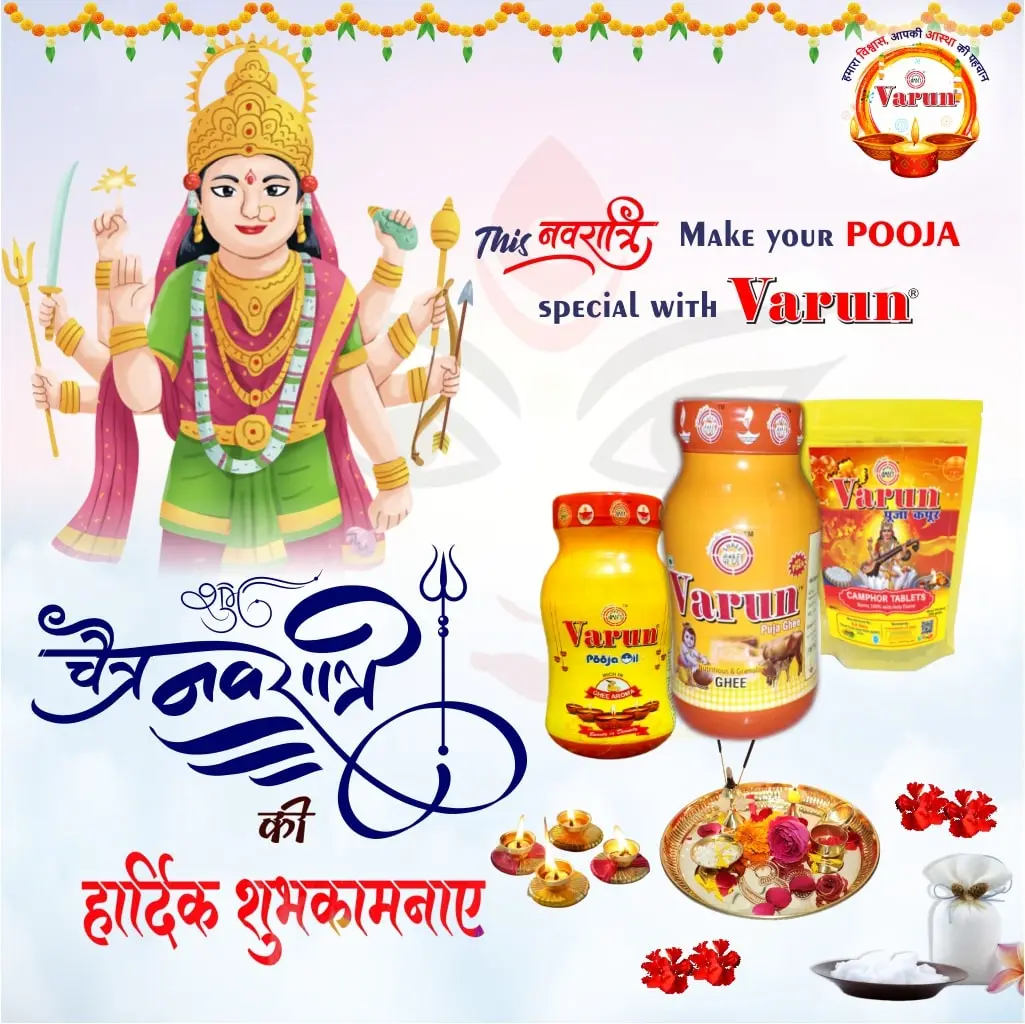
Chaitra Navratri 2023 greeting wishes images

Chaitra Navratri 2023 – Importance and Vidhi

Why is Chaitra Navratri celebrated? Chaitra Navratri is a Hindu festival that is celebrated in the spring season, usually in the months of March or April. The festival lasts for nine days and is dedicated to the worship of the goddess Durga and her various forms. There are different legends associated with the celebration of Chaitra Navratri 2023. One of the most popular legends is that during this period, the goddess Durga fought and defeated the demon Mahishasura, who had been causing havoc and destruction on earth. It is believed that Durga fought Mahishasura for nine days and on the tenth day, which is celebrated as Vijayadashami, she finally defeated him. Another legend associated with Chaitra Navratri is that during this period, Lord Rama prayed to Durga for nine days to seek her blessings and guidance in his battle against the demon king Ravana. It is believed that with Durga’s blessings, Lord Rama was able to defeat Ravana and restore peace and order in the world. Chaitra Navratri is therefore considered a time of great spiritual significance and devotees fast, offer prayers, and perform various rituals to seek the blessings of the goddess Durga. The festival is also seen as a celebration of the triumph of good over evil and is marked by joyous festivities, feasting, and the exchange of gifts. when is Chaitra Navratri 2023 ? Wed, Mar 22, 2023 – Thu, Mar 30, 2023 What is the difference between Chaitra Navratri and Navratri? Chaitra Navratri and Navratri are both Hindu festivals that celebrate the nine-day worship of the nine forms of Goddess Durga. However, there are a few differences between the two festivals. Chaitra Navratri is celebrated during the Hindu month of Chaitra (March-April), while Navratri is celebrated twice a year, once during the Hindu month of Chaitra and again during the Hindu month of Ashwin (September-October). Another difference is that Chaitra Navratri is more widely celebrated in North India, while Navratri in Ashwin is celebrated throughout India, and is more popular and widely celebrated. Finally, while both festivals have similar rituals and traditions, there are slight variations in the way they are celebrated. For example, Chaitra Navratri is usually celebrated with more simplicity and austerity, while Navratri in Ashwin is usually celebrated with more fanfare and grandeur. Overall, while both festivals share the same roots and purpose, they have their own unique characteristics and are celebrated in slightly different ways. What do you do on Chaitra Navratri 2023? During Chaitra Navratri, devotees observe fasts, offer prayers and perform pujas (rituals) to seek the blessings of Goddess Durga. Many people also visit temples and take part in community celebrations. On the ninth day of the festival, which is also known as Ram Navami, the birth of Lord Rama, another Hindu deity, is celebrated with great fervor. Overall, Chaitra Navratri is a time for spiritual reflection and renewal, and is considered to be a very auspicious time for new beginnings and fresh starts. Which goddess do people worship on Navratri? During Chaitra Navratri, the nine forms of Goddess Durga are worshipped on each of the nine days. These forms are known as Navadurga and are worshipped in the following order: Conclusion: Each form of the goddess is associated with a specific quality or power, and their worship is believed to bestow blessings, prosperity, and protection upon the devotees. The ninth day of Chaitra Navratri, which is also known as Ram Navami, is dedicated to the worship of Lord Rama, another Hindu deity. Chaitra Navratri Puja Vidhi: Chaitra Navratri Mantra: There are several mantras that can be recited during Chaitra Navratri. Here are a few popular ones: It is important to note that these mantras should be recited with devotion and faith in the goddess, and with an understanding of their meanings and significance.

Chaitra Navratri 2023 – Importance and Vidhi Read More »

Scroll to Top
Enable Notifications OK No thanks