
Diwali Diya Guide: Ghee, Oil, Cotton Wicks & Kapoor
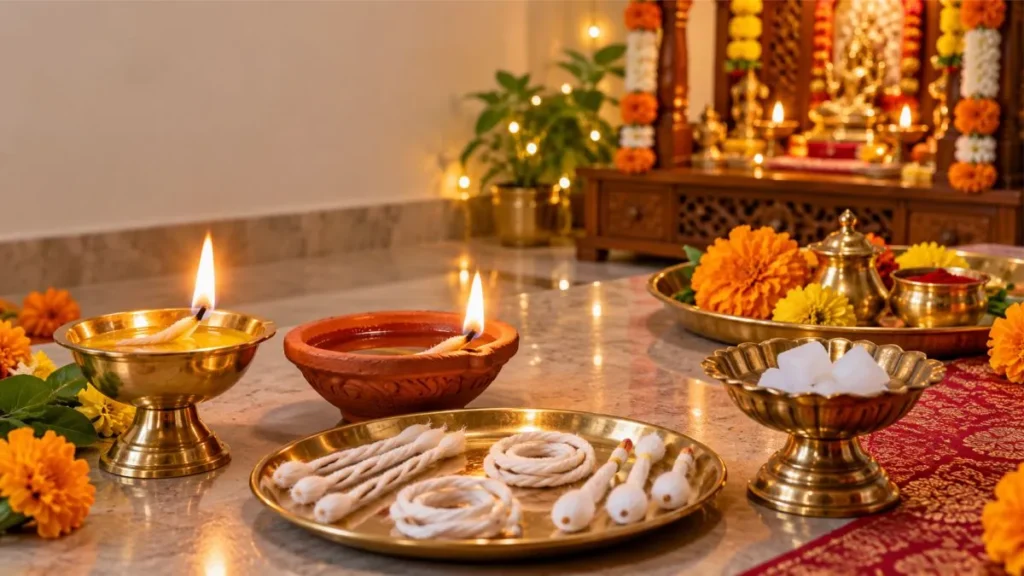
Diwali Diya Guide: Ghee, Oil, Cotton Wicks & Kapoor Diyas are one of the most familiar parts of Diwali celebrations, but preparing them often raises practical questions. Should you use ghee or oil? Which cotton wick suits your diya? How much fuel should you add? Why does a diya sometimes go out or produce smoke? And where does kapoor fit into the puja? This Diwali diya guide focuses on those practical questions. It explains how ghee and oil differ in everyday use, how to choose and position cotton wicks, how to prepare a diya step by step, what may cause common flame problems, and how to use kapoor safely for aarti. Diya traditions vary by family, region, deity and sampradaya. If your household follows an established practice, that tradition should take priority over general online advice. What Do You Need to Prepare a Diwali Diya? For a simple diya setup, keep these basics ready: You may also keep extra diyas, spare wicks and kapoor for aarti nearby. Kapoor is treated separately in this guide because established puja references distinguish dīpa, the lamp offering, from karpūra-nīrājana, the final waving of a camphor flame. That supports treating camphor primarily as a separate aarti item rather than assuming it must be mixed into every diya. Hindu American Foundation For the rest of your Diwali preparation, use the separate Diwali Puja Samagri List for the full inventory and the Diwali Puja Thali Guide for arranging the working puja tray. Ghee or Oil for Diwali Diya: Which Should You Use? Both ghee and oil are used for diyas in Indian worship traditions. There is no need to declare one universally better. Your choice can depend on family custom, diya design, the number of lamps being prepared and how the diya will be used. Factor Ghee Diya Oil Diya Common practical use Main puja diya and other household worship where followed Puja and multiple/decorative diyas where followed Physical form Can be liquid, semi-solid or firm depending on temperature Liquid Wick preparation Wick must maintain continuous contact with the ghee Wick generally draws liquid oil readily Multiple-diya preparation Practical for smaller numbers depending on setup Often convenient when preparing several diyas Burn duration Depends on diya, wick, fuel amount and conditions Depends on diya, wick, fuel amount and conditions Best choice Follow household tradition and practical need Follow household tradition and practical need Exact burn time cannot be predicted simply from “ghee versus oil.” Diya size, wick construction, exposed wick length, fuel quantity and airflow can all affect the flame. Using Puja Ghee in a Diya Many households use ghee for a main puja diya. From a practical point of view: The wick should not merely have ghee on its exposed tip. It needs continued access to the fuel while the diya burns. If using a commercial puja product, follow the actual label. SAV Products currently describes VARUN Pooja Ghee specifically as a product “For DIYA,” so it should be treated as diya/ritual-use puja ghee unless the product packaging explicitly states any additional use. SAV Products – VARUN® Using Puja Oil in a Diya Oil is also commonly used for Diwali diyas. It can be convenient when preparing several lamps because it is liquid and easy to portion. Cotton wicks generally draw liquid fuel readily once properly positioned. A practical process is: The type of oil traditionally used can vary widely between households and regions, so no single oil should be presented as compulsory for all Diwali worship. SAV Products currently lists VARUN Pooja Oil as a diya-lighting product. SAV Products – VARUN® Ghee Diya vs Oil Diya: Quick Decision Guide If you are unsure which to use, consider these factors. 1. Family Tradition Start with the practice already followed in your home. A long-standing household tradition does not need to be changed simply because an article online says one fuel is “more auspicious” or “better.” 2. Purpose of the Diya Some households use one type of diya for the mandir and another for additional lamps around the home. 3. Number of Diyas Preparing one main puja diya is different from preparing 20 or 30 lamps. 4. Diya Size A small clay diya and a larger brass lamp require different amounts of fuel and different wick proportions. 5. Wick The wick affects the flame as much as the fuel does. 6. Desired Practical Duration If a lamp needs to remain lit longer, use a suitable diya with an appropriate amount of fuel rather than overfilling a very small lamp. Avoid exact “one teaspoon = X minutes” type claims unless the exact diya, wick, fuel and conditions have actually been tested. Which Cotton Wick Should You Use? A suitable cotton wick should match the size and design of the diya. As practical guidance, look for a wick that is: There is no single universally “best” wick thickness. Cotton density, twisting, wick shape, diya geometry and the type of fuel all influence how the lamp behaves. Common Types of Cotton Wicks Long Cotton Wick A long wick is commonly used in open clay or metal diyas. One portion remains inside the fuel while the lighting end rests near the diya’s edge or spout. This design also makes the exposed length easier to adjust. Round or Flower-Style Wick Some households use rounded or flower-style wicks, particularly with lamps designed for central wick placement. Their use depends on lamp design and family tradition. Handmade Cotton Wick Loose cotton can also be rolled manually. This gives the household control over wick length and thickness, although consistent sizing becomes important when preparing many diyas together. How Much Wick Should Be Exposed? Only a controlled portion of the wick needs to extend above the fuel. Too much exposed wick can contribute to: Those effects are not determined by wick length alone. Fuel characteristics and airflow also matter. If the flame is larger than expected, extinguish the diya safely before adjusting the wick. How to Prepare a Diya Step by Step Step 1: Inspect
Diwali Diya Guide: Ghee, Oil, Cotton Wicks & Kapoor Read More »