
Navratri 9 Days Images with Puja Samagri: Daily Devotion Guide for All Nine Days
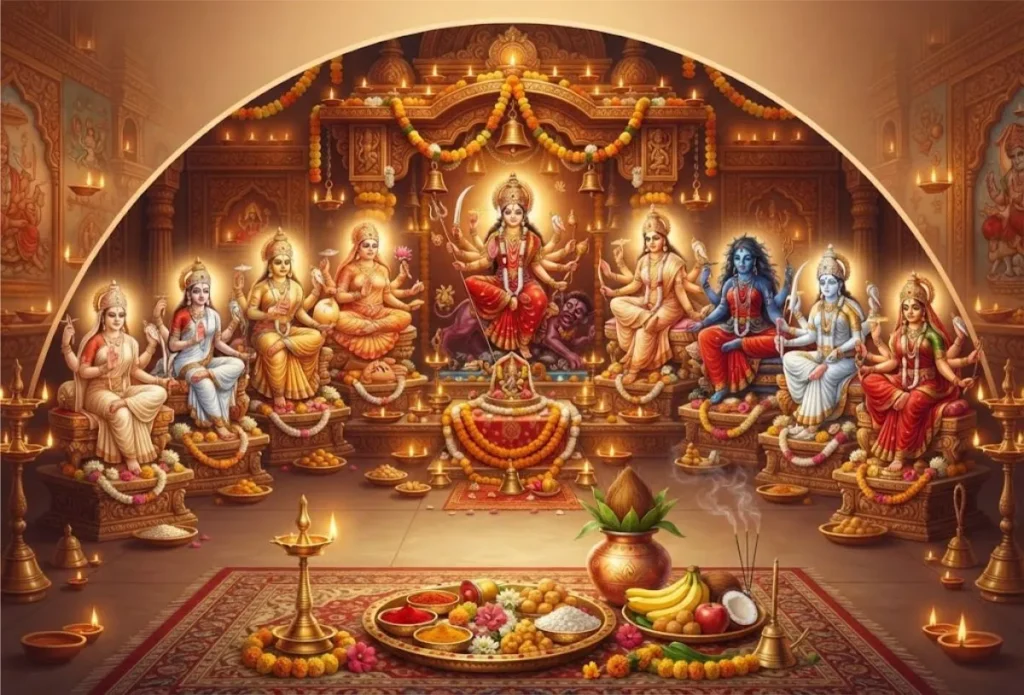
Navratri is a nine-night Hindu festival associated with devotion to the Divine Feminine. In Navdurga traditions, devotees remember nine forms of Maa Durga in sequence—from Maa Shailputri on Day 1 to Maa Siddhidatri on Day 9. India’s Ministry of Tourism lists the same nine Navdurga forms and highlights the wide regional diversity of Navratri celebrations. Incredible India
If you are looking for Navratri 9 days images, this guide brings all nine Navdurga names together with short devotional context and a practical Navratri Puja Samagri checklist for home worship.
There is no universally required different samagri list for each of the nine days. Many households use the same basic puja essentials throughout Navratri and add deity-, family- or tradition-specific items where appropriate.
Navratri practices vary by family, region and sampradaya, so use this as a preparation and devotional guide rather than a fixed Puja Vidhi.
Navratri 9 Days Images and Navdurga Names at a Glance
| Day | Navdurga Form | Common Devotional Association |
|---|---|---|
| Day 1 | Maa Shailputri | Beginnings, strength and devotion |
| Day 2 | Maa Brahmacharini | Devotion, discipline and spiritual focus |
| Day 3 | Maa Chandraghanta | Courage and inner strength |
| Day 4 | Maa Kushmanda | Energy, warmth and vitality |
| Day 5 | Maa Skandamata | Motherly devotion and compassion |
| Day 6 | Maa Katyayani | Strength and resolve |
| Day 7 | Maa Kalaratri | Courage and protection |
| Day 8 | Maa Mahagauri | Grace, peace and purity |
| Day 9 | Maa Siddhidatri | Spiritual fulfillment and blessings |
These associations are broad devotional themes rather than universal theological definitions. Official Indian tourism material similarly connects the nine forms with themes such as beginnings, devotion, courage, energy, maternal qualities, strength, grace and spirituality. Incredible India
What Is Navratri?
The word Navratri means “nine nights.” The festival is celebrated through different devotional and cultural traditions across India, with many communities honoring forms of Goddess Durga or Shakti. Incredible India
In Navdurga worship, the nine forms are remembered in this traditional order:
- Maa Shailputri
- Maa Brahmacharini
- Maa Chandraghanta
- Maa Kushmanda
- Maa Skandamata
- Maa Katyayani
- Maa Kalaratri
- Maa Mahagauri
- Maa Siddhidatri
Different Navratri observances take place during the year, and festival dates, rituals and regional customs can vary. This page is intentionally evergreen and focuses on the Navdurga sequence rather than one specific year’s calendar.
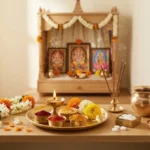
Navratri Puja Samagri Commonly Used for All 9 Days
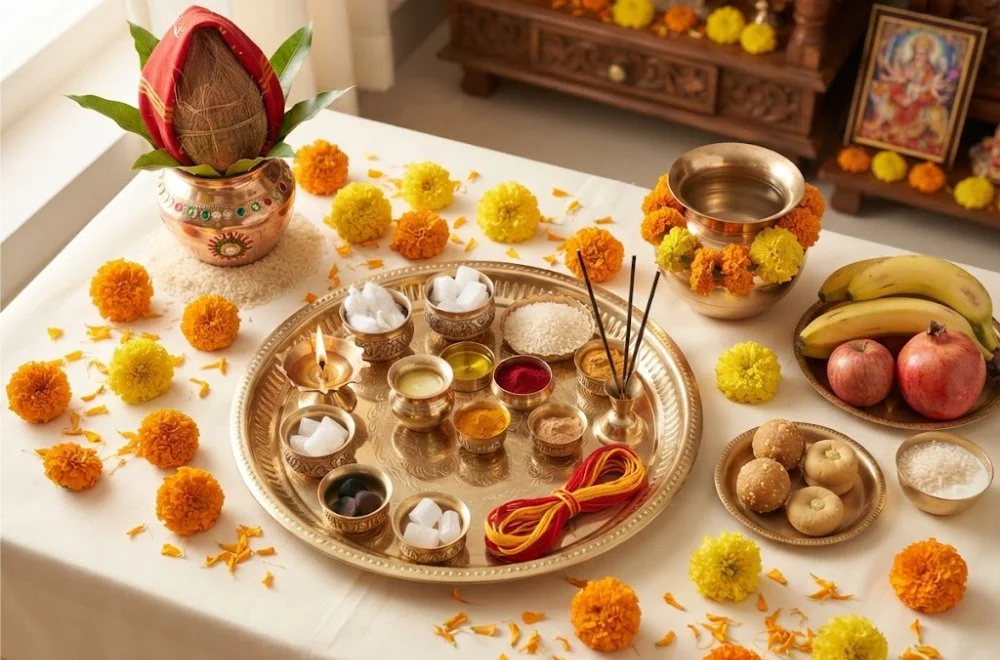
Keeping frequently used puja materials together can make daily worship easier.
Common household items may include:
- Maa Durga photo or murti
- Chowki or puja platform
- Clean altar cloth
- Puja thali
- Diya or deepak
- Cotton wicks
- Puja ghee or puja oil
- Kumkum or roli
- Akshat
- Haldi
- Chandan
- Fresh flowers
- Dhoop or agarbatti
- Kapoor
- Mauli or kalawa
- Water
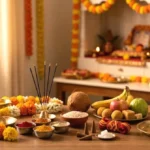
- Fruits or sweets for bhog/naivedya
- Kalash materials where Ghatasthapana forms part of household tradition
Not every family needs every item.
A simple daily puja may use only a diya, flowers, tilak materials, water and naivedya together with the household’s normal prayers or aarti.
Bhog, Naivedya and Prasad
Food prepared before or during worship is better described as bhog or naivedya. After it has been offered, it may be received or distributed as prasad according to household tradition.
Hindu puja guidance similarly distinguishes naivedya as food offered during worship from prasadam received after the offering. Hindu American Foundation
For a broader everyday checklist, the existing Daily Puja Samagri List for Home is a useful supporting guide. SAV Products – VARUN®
Navratri 9 Days Images with Names
Day 1 — Maa Shailputri
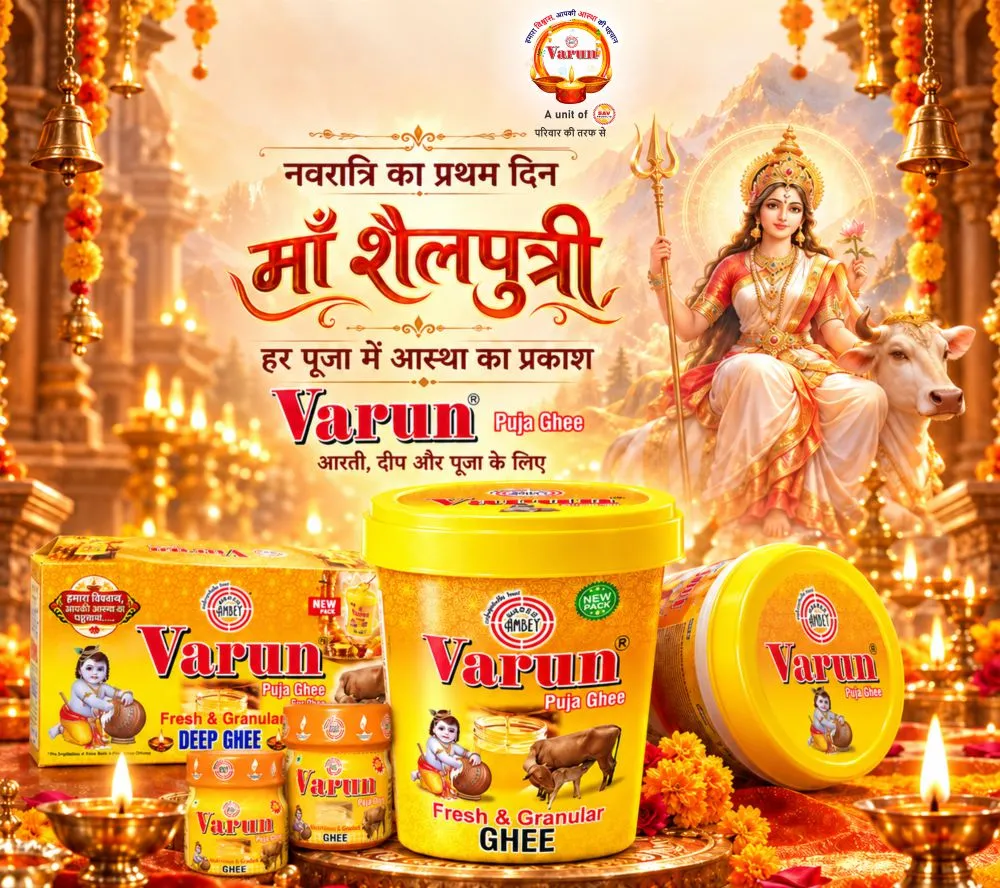
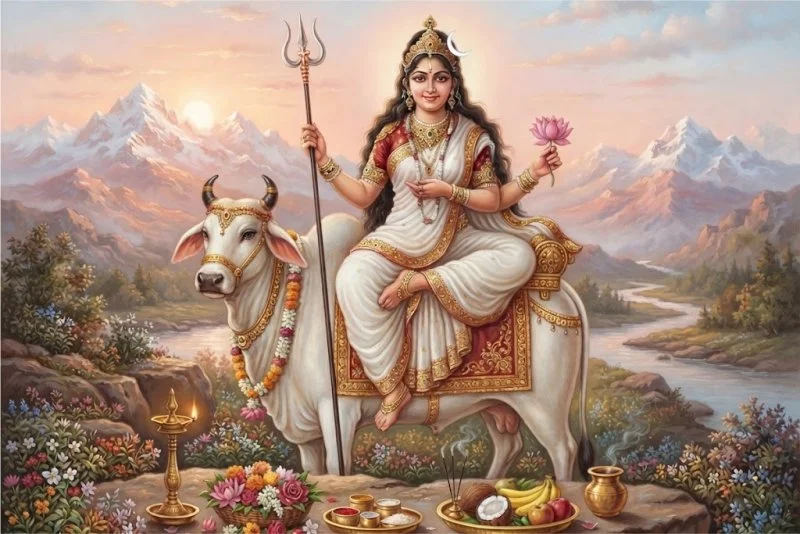
Maa Shailputri is worshipped as the first form in the Navdurga sequence.
Her name is commonly understood in connection with the mountain, and devotional traditions associate her with beginnings, strength and the start of the nine-day spiritual journey.
The first day can be approached simply: prepare the worship area, arrange the household’s normal puja essentials and begin Navratri according to family tradition.
Maa Shailputri — Day 1 of Navratri.
Day 2 — Maa Brahmacharini
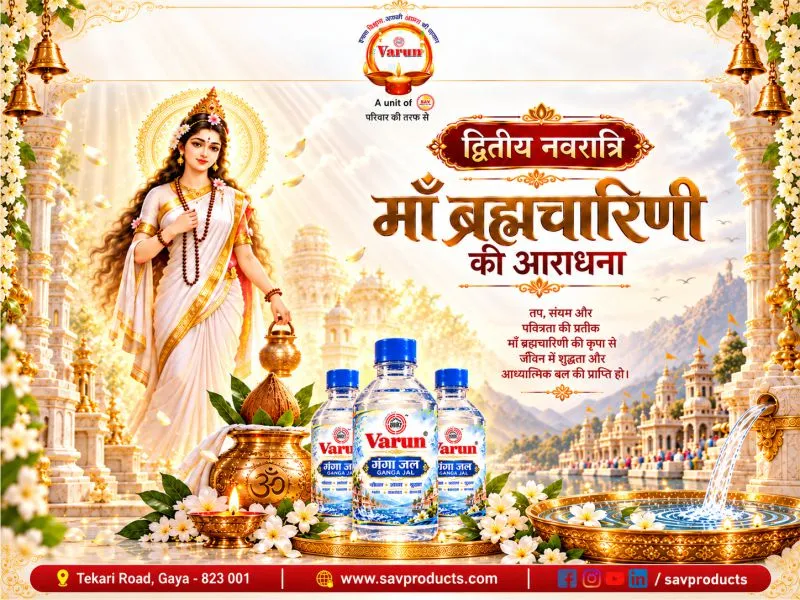
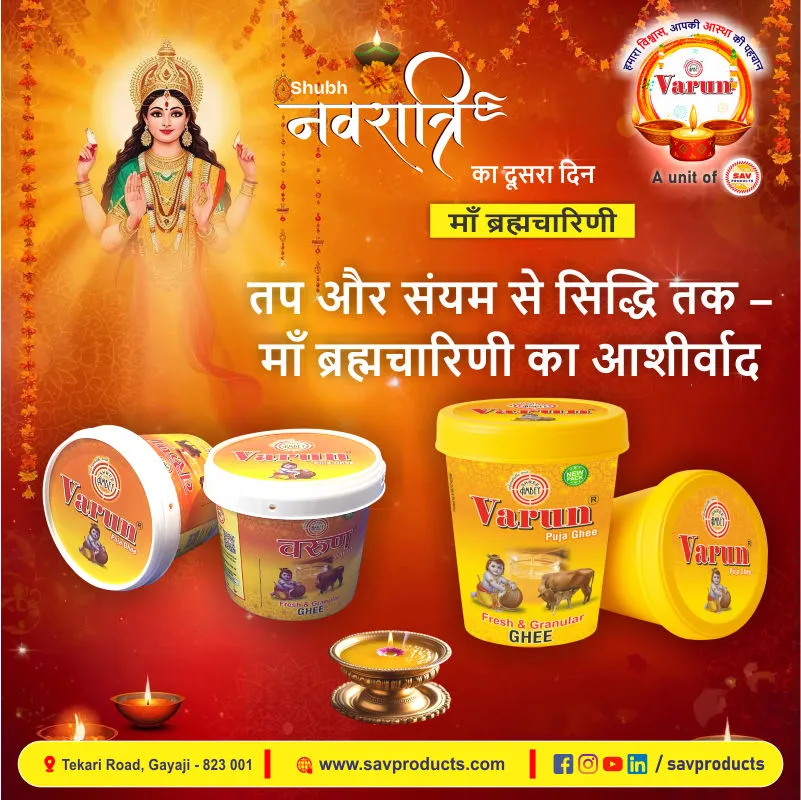
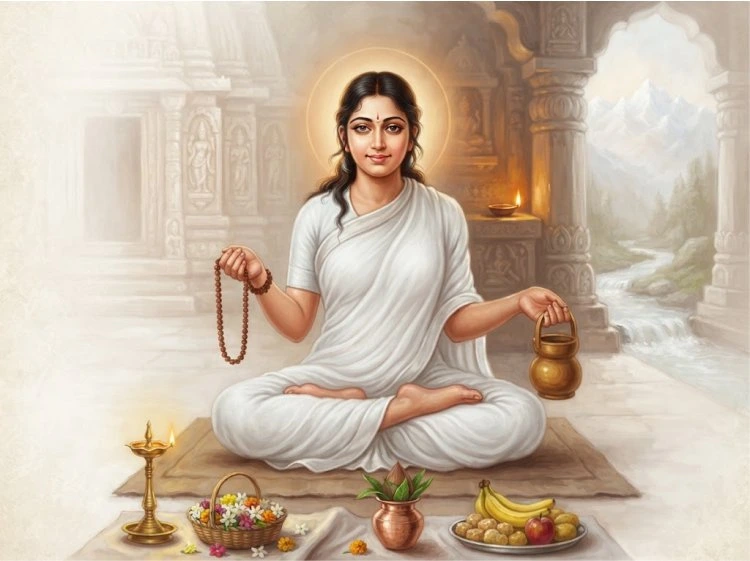
Maa Brahmacharini is the second Navdurga form.
She is commonly associated in devotional traditions with discipline, devotion, simplicity and spiritual determination. The day can be observed through focused prayer, reflection and the regular household puja routine.
An elaborate setup is not necessary unless it forms part of your own tradition.
Maa Brahmacharini — Day 2 of Navratri.
Day 3 — Maa Chandraghanta
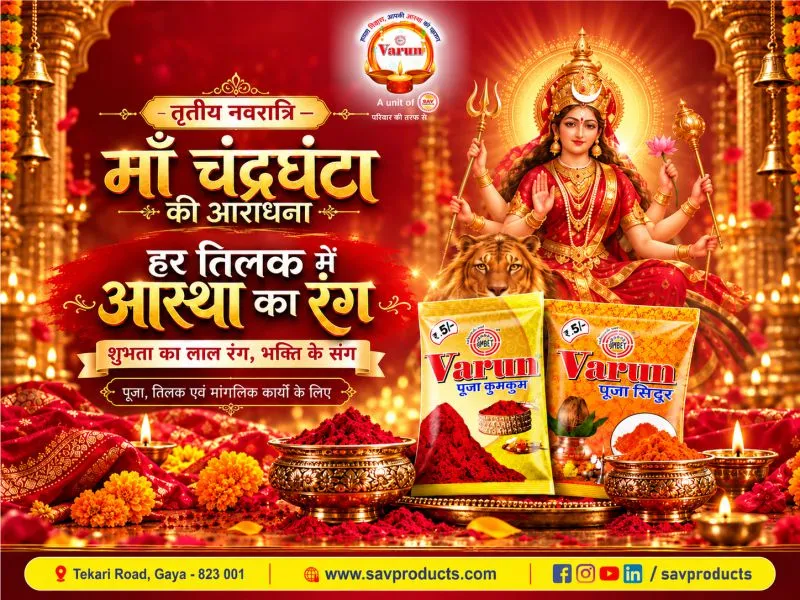
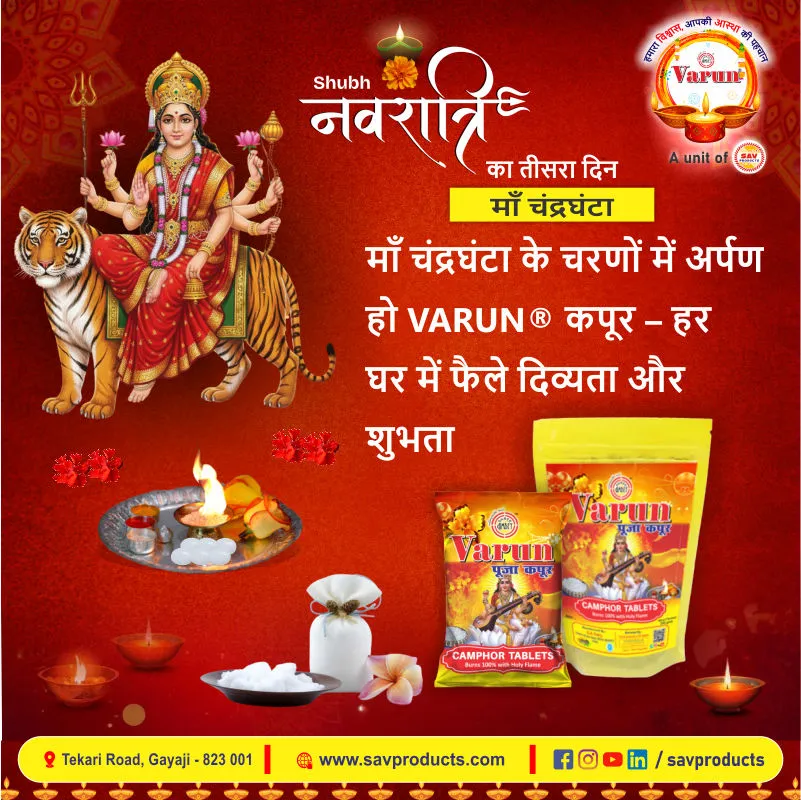
Maa Chandraghanta is worshipped on the third day.
Devotional traditions commonly connect her with courage, strength and overcoming fear. The day can become an opportunity for prayer for confidence and inner steadiness.
Use the same basic puja materials your household normally follows rather than assuming a completely separate list is required for Day 3.
Maa Chandraghanta — Day 3 of Navratri.
Day 4 — Maa Kushmanda
Maa Kushmanda is the fourth form in the Navdurga sequence.
She is commonly associated with divine energy, vitality, warmth and creative power. Devotees may approach the day with gratitude and prayers for well-being.
Flowers and bhog/naivedya may be offered according to household tradition.
Maa Kushmanda — Day 4 of Navratri.
Day 5 — Maa Skandamata
Maa Skandamata is worshipped on Navratri Day 5.
She is commonly remembered as a motherly form of the Goddess and associated with compassion and maternal devotion.
Families may use the day to pray for peace, family well-being and spiritual strength while continuing with their normal Navratri worship.
Maa Skandamata — Day 5 of Navratri.
Day 6 — Maa Katyayani
Maa Katyayani is the sixth Navdurga form.
She is commonly associated with strength, determination and courage. Devotional worship on this day may focus on resolve and the strength to follow the right path.
Prepare the household’s normal diya, flowers, tilak materials and naivedya as appropriate.
Maa Katyayani — Day 6 of Navratri.
Day 7 — Maa Kalaratri
Maa Kalaratri is worshipped on the seventh day.
She is remembered as a powerful form of the Goddess and is commonly associated with courage, divine strength and protection from darkness or fear. Incredible India
The devotional atmosphere may feel more intense, but worship can remain simple and consistent with family practice.
Maa Kalaratri — Day 7 of Navratri.
Day 8 — Maa Mahagauri
Maa Mahagauri is the eighth Navdurga form and is commonly associated with grace, peace and purity.
Ashtami carries special importance in many households, but the rituals followed on this day can vary considerably by region and family tradition.
If your family follows a particular Ashtami observance, prepare any additional materials according to that established practice rather than relying on a generic list.
Maa Mahagauri — Day 8 of Navratri.
Day 9 — Maa Siddhidatri
Maa Siddhidatri completes the nine-form Navdurga sequence.
She is commonly associated with spiritual fulfillment, blessings and accomplishment. For many devotees, the ninth day becomes a natural time for gratitude and reflection at the completion of Navdurga worship.
Follow the final day’s worship according to your family tradition and use the same core puja essentials unless additional materials are customary.
Maa Siddhidatri — Day 9 of Navratri.
Simple Navratri Puja Preparation for All Nine Days
A little organization before the festival begins can make daily worship easier.
Before Navratri Begins
Check whether you already have:
- Diya
- Puja ghee or oil
- Cotton wicks
- Kumkum or roli
- Akshat
- Chandan
- Dhoop or agarbatti
- Kapoor
- Mauli
- Puja thali
Clean reusable items and store dry puja materials in a clean, moisture-free place.
If your household performs Ghatasthapana, Kalash Sthapana or another tradition-specific observance, prepare those materials separately according to your family practice or knowledgeable religious guidance.
Before Daily Puja
Arrange only what you need for that day’s worship:
- Fresh flowers
- Water
- Diya
- Tilak materials
- Dhoop or incense, if used
- Bhog/naivedya
- Family-specific items
After the food has been offered, it may be received or shared as prasad according to your tradition.
Keep food offerings separate from dhoop, camphor, oil and other non-food puja materials.
Diya, Dhoop and Aarti Safety During Navratri
Navratri worship often involves open flames, so simple precautions are important:
- Place diyas on stable, heat-resistant surfaces.
- Keep flames away from curtains, paper and decorations.
- Keep matches and lighters away from children.
- Supervise children near the puja area.
- Keep loose clothing away from flames.
- Use appropriate holders for dhoop, incense and camphor.
- Never leave a burning diya, dhoop or kapoor unattended.
Delhi Fire Service similarly advises keeping oil lamps and agarbattis away from combustible materials and not leaving open fire unattended. Delhi Fire Service
VARUN Pooja Essentials for Navratri
SAV Products manufactures and markets VARUN Pooja Products.
For households that already use packaged puja essentials, current SAV Products categories include items such as:
- Puja Ghee
- Puja Oil
- Cotton Wicks
- Puja Camphor
- Humad Dhoop
- Kumkum
- Mauli Dhaga
These products are currently represented in SAV Products’ published catalog. SAV Products – VARUN®
They can be kept with the rest of the household’s regular puja supplies where they fit existing family practice.
There is no need to purchase a different commercial product set for every Navratri day. Keep the focus on the items your household genuinely uses.
Frequently Asked Questions About Navratri 9 Days
What are the nine forms of Maa Durga worshipped during Navratri?
The Navdurga sequence is:
- Maa Shailputri
- Maa Brahmacharini
- Maa Chandraghanta
- Maa Kushmanda
- Maa Skandamata
- Maa Katyayani
- Maa Kalaratri
- Maa Mahagauri
- Maa Siddhidatri
This sequence is also reflected in India’s official tourism material on Navratri. Incredible India
What puja samagri is commonly used during Navratri?
Common items may include diya, cotton wicks, puja ghee or oil, kumkum or roli, akshat, chandan, flowers, dhoop, kapoor, water and bhog/naivedya.
Additional materials depend on household tradition.
Does each of the nine Navratri days require different puja samagri?
Not universally.
Many households use the same basic puja essentials across all nine days and add specific materials only where required by their family, deity or regional tradition.
What is the difference between naivedya and prasad?
Naivedya is food presented during worship. After it has been offered, it may be received or shared as prasad. Hindu American Foundation
Can ghee or oil be used for a Navratri diya?
Different households use ghee, particular oils or both.
Follow the practice traditionally used in your home rather than treating one choice as compulsory for everyone.
Are all Navratri puja items compulsory?
No.
Navratri practices vary by family, region and sampradaya. A simple household puja may use only a small number of familiar items.
Can this Navratri guide remain useful every year?
Yes.
The Navdurga sequence is evergreen. Festival dates can be updated separately each year while keeping the same permanent URL.
What images should be included for the nine days of Navratri?
Use one clearly identified devotional image for each Navdurga form from Maa Shailputri through Maa Siddhidatri.
For religious accuracy, each image should be checked against a reliable traditional reference before publication, especially if AI-assisted artwork is used.
Navratri 9-Day Puja Checklist
Before the festival begins, check the items appropriate to your household:
- ☐ Maa Durga photo or murti
- ☐ Puja thali
- ☐ Diya
- ☐ Cotton wicks
- ☐ Puja ghee or oil
- ☐ Kumkum / roli
- ☐ Akshat
- ☐ Chandan
- ☐ Fresh flowers
- ☐ Dhoop / agarbatti
- ☐ Kapoor
- ☐ Mauli
- ☐ Water
- ☐ Bhog / naivedya
- ☐ Ghatasthapana or family-specific items, if followed
Use the checklist as a preparation aid rather than as a universal religious requirement.
Final Thoughts
A useful Navratri 9 days images guide should make it easy to recognize the nine Navdurga forms while also helping families prepare for worship without turning every day into a separate shopping list.
Keep the nine-day sequence simple: Maa Shailputri, Brahmacharini, Chandraghanta, Kushmanda, Skandamata, Katyayani, Kalaratri, Mahagauri and Siddhidatri.
Prepare the basic puja materials your household regularly uses, add tradition-specific items only where appropriate and let your family’s established practice guide the worship itself.
Most importantly, devotional images of Maa Durga should be respectful and religiously accurate. A consistent, carefully reviewed nine-image Navdurga series will make this page considerably more useful for readers and image search.